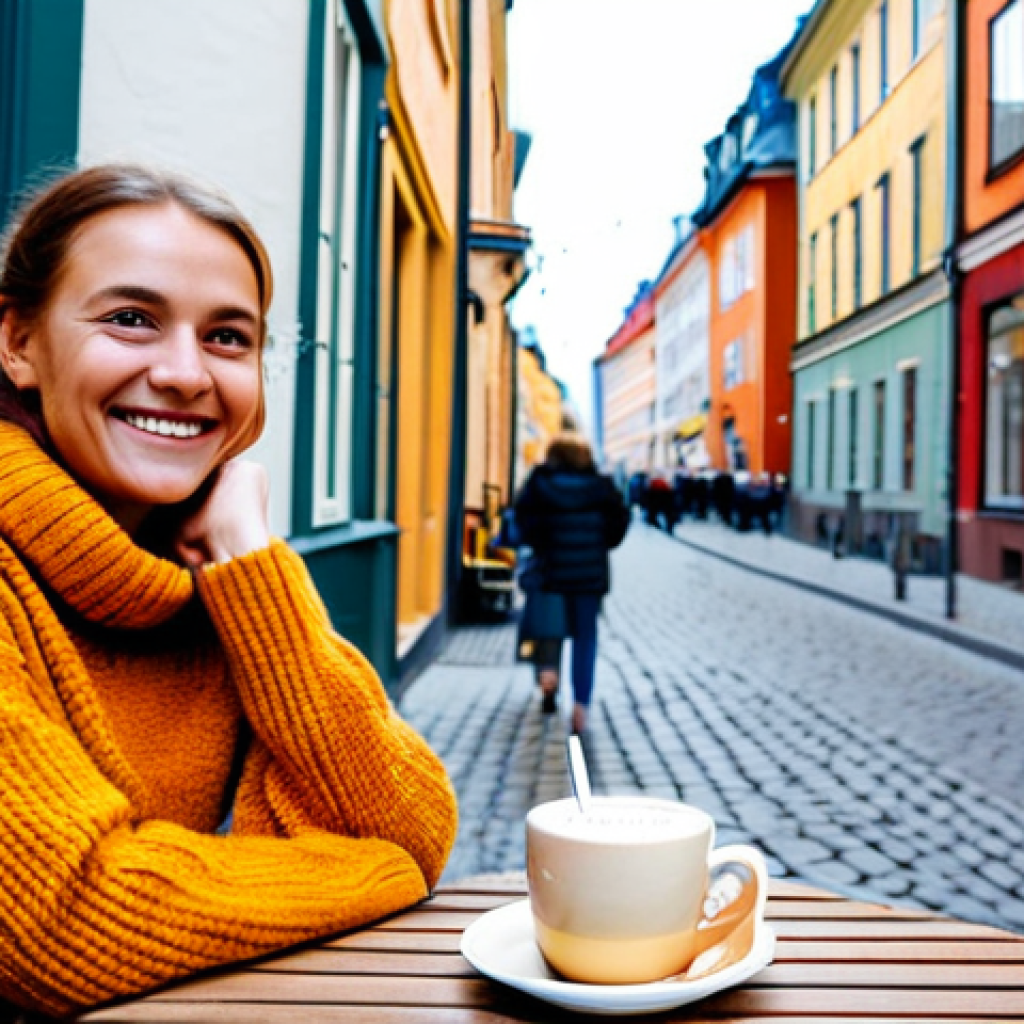
Sweden, a land of captivating beauty and rich history, beckons travelers with its stunning landscapes and vibrant culture. From the trendy streets of Stockholm to the serene beauty of the Swedish Lapland, there’s something for everyone.
I remember when I first visited Stockholm; I was immediately taken by the colorful buildings and the friendly locals. The air just buzzed with a cool, Scandinavian vibe.
And let’s not forget the food! The fresh seafood and traditional Swedish meatballs were an absolute delight. Lately, Sweden has been recognized as a leader in sustainable tourism, so you can explore with a clear conscience.
We will find out about the best way to explore the country, considering the environment! Let’s explore the details in the article below.
Alright, here is the blog post content you requested:
Unveiling Stockholm’s Hidden Gems: Beyond the Tourist Trail
Stockholm, often hailed as the ‘Venice of the North,’ is much more than just its iconic landmarks. I remember the first time I truly explored beyond Gamla Stan; I stumbled upon the most charming little cafes tucked away in Södermalm, each with its own unique vibe and killer fika.
1. Södermalm’s Bohemian Heart
Södermalm is where Stockholm’s creative spirit thrives. It’s got this effortlessly cool atmosphere that just draws you in. Forget the usual tourist traps; wander down streets like Åsögatan, where you’ll find vintage shops bursting with quirky finds and independent boutiques showcasing local designers.
I once spent an entire afternoon just browsing through the records at a tiny vinyl store, chatting with the owner about Swedish indie music. Don’t miss out on the incredible street art scene either!
Murals pop up in the most unexpected places, adding splashes of color and personality to the neighborhood. And, of course, grab a coffee and kanelbulle (cinnamon bun) at a local bakery.
Trust me, it’s the perfect way to soak in the Södermalm vibe.
2. Djurgården: Nature’s Escape in the City
While Stockholm is known for its urban charm, Djurgården offers a welcome escape into nature without ever leaving the city. It’s a lush, green island that’s perfect for a leisurely bike ride, a scenic walk, or even a picnic by the water.
I remember packing a basket with some cheese, crackers, and local berries and spending a blissful afternoon under the trees. The island is also home to several fantastic museums, including the Vasa Museum (a must-see for any visitor) and Skansen, an open-air museum showcasing Swedish history and culture.
Whether you’re into history, nature, or just need a break from the hustle and bustle of the city, Djurgården has something for everyone.
3. Exploring Stockholm’s Archipelago by Kayak
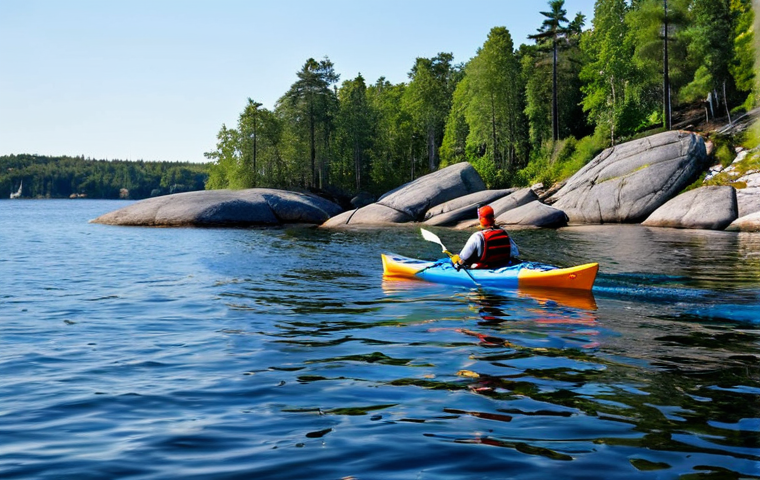
One of the best ways to truly experience Stockholm is to get out on the water and explore its stunning archipelago. I highly recommend renting a kayak and paddling through the maze of islands, each with its own unique character.
You’ll find secluded beaches, charming fishing villages, and breathtaking views around every corner. I remember one time I kayaked to a tiny, uninhabited island and felt like I had the whole world to myself.
It was so peaceful and serene, just the sound of the water lapping against the shore. Just be sure to check the weather conditions beforehand and wear appropriate clothing, as the weather can change quickly.
Also, pack plenty of water and snacks – you’ll work up an appetite!
Embracing “Lagom”: Finding Balance in Swedish Culture
“Lagom” is a Swedish word that doesn’t have a direct English translation, but it essentially means “just the right amount.” It’s a concept that permeates Swedish culture and influences everything from work-life balance to consumerism.
Swedes strive for moderation and balance in all aspects of their lives, avoiding extremes and embracing simplicity.
1. Fika: More Than Just a Coffee Break
Fika is a Swedish tradition that’s all about taking a break to enjoy coffee, pastries, and good company. But it’s more than just a coffee break; it’s a social ritual that’s deeply ingrained in Swedish culture.
I’ve noticed that Swedes take fika very seriously, and it’s considered an important part of the workday. It’s a time to relax, recharge, and connect with colleagues.
During my travels, I learned that many companies even schedule regular fika breaks to promote a positive work environment. So, when you’re in Sweden, be sure to embrace the fika tradition and take some time to slow down and enjoy the moment.
2. Sustainable Living: A Swedish Priority
Sweden is a global leader in sustainability, and Swedes are passionate about protecting the environment. From recycling to renewable energy, they’re committed to living in a way that’s both environmentally and socially responsible.
This commitment to sustainability extends to all aspects of life, from transportation to food consumption. I was so impressed by the extensive public transportation system in Stockholm, which makes it easy to get around without a car.
And the emphasis on locally sourced, organic food is inspiring. If you’re looking to live a more sustainable lifestyle, Sweden is a great place to learn and get inspired.
Venturing North: Exploring the Magic of Swedish Lapland
Swedish Lapland, located in the northernmost part of Sweden, is a land of breathtaking natural beauty and unique cultural experiences. From the midnight sun in the summer to the Northern Lights in the winter, there’s always something magical to discover.
I still remember the first time I saw the Aurora Borealis dancing across the sky; it was an experience I’ll never forget.
1. Winter Wonderland: Chasing the Northern Lights
Visiting Swedish Lapland in the winter is like stepping into a fairytale. The landscape is blanketed in snow, and the air is crisp and clean. Of course, the main attraction is the Northern Lights, a natural phenomenon that’s truly awe-inspiring.
The best time to see the lights is during the darkest months of the year, from November to March. There are plenty of ways to experience the Northern Lights, from guided tours to snowmobile safaris.
I recommend finding a remote location away from city lights for the best viewing experience. And don’t forget to dress warmly! Temperatures can drop well below freezing.
2. Sami Culture: A Rich Heritage
Swedish Lapland is also home to the Sami people, an indigenous group with a rich cultural heritage. The Sami have lived in this region for thousands of years, and their traditional way of life is closely tied to nature.
One of the best ways to learn about Sami culture is to visit a Sami village and experience their traditions firsthand. You can learn about reindeer herding, traditional crafts, and Sami cuisine.
I remember visiting a Sami family and learning how to lasso reindeer; it was a challenging but incredibly rewarding experience.
Swedish Cuisine: A Culinary Adventure
Swedish cuisine is more than just meatballs and herring. It’s a diverse and flavorful culinary landscape that reflects the country’s natural resources and cultural influences.
While those dishes are iconic, there’s so much more to explore and savor.
1. Seafood Delights: Fresh Catches from the Coast
Given Sweden’s long coastline, it’s no surprise that seafood plays a prominent role in Swedish cuisine. Fresh catches like salmon, herring, and cod are prepared in a variety of ways, from smoked and pickled to grilled and baked.
I’m always amazed at the variety of herring dishes you can find in Sweden. I tried this one time at a market, with this incredible vinegar. You could smell them, and they tasted amazing.
Don’t miss out on trying some of the local specialties, like gravlax (cured salmon) or räksmörgås (shrimp sandwich).
2. “Husmanskost”: Comfort Food with a Twist
“Husmanskost” refers to traditional Swedish home cooking, which is characterized by hearty, comforting dishes made with simple, seasonal ingredients. Think stews, casseroles, and potato dishes.
One of my favorite husmanskost dishes is Janssons frestelse (Jansson’s temptation), a creamy potato and anchovy gratin. It’s the perfect comfort food on a cold winter day.
And of course, you can’t forget about the famous Swedish meatballs, served with mashed potatoes, gravy, and lingonberry jam. Here’s a table summarizing some of the best places to visit in Sweden, activities to do, and foods to try:
| Region | Activities | Foods |
|---|---|---|
| Stockholm | Explore Gamla Stan, visit museums, kayak in the archipelago | Swedish Meatballs, Räksmörgås (Shrimp Sandwich), Kanelbulle |
| Swedish Lapland | See the Northern Lights, Reindeer sledding, snowmobiling, visit a Sami village | Reindeer Stew, Kalix Löjrom (Vendace Roe), Cloudberries |
| Gotland | Explore Visby, Relax on the beaches, Cycle through the countryside | Saffron Pancakes, Lamb Dishes, Smoked Fish |
Navigating Swedish Etiquette: Tips for a Smooth Trip
Understanding Swedish etiquette can help you make a positive impression and avoid any cultural faux pas during your trip. While Swedes are generally friendly and welcoming, there are a few things to keep in mind.
1. Punctuality is Key
Swedes value punctuality, so it’s important to be on time for appointments and meetings. Arriving late is considered rude and disrespectful. If you’re going to be late, it’s best to call or send a message to let the person know.
2. Politeness and Respect
Swedes are generally polite and respectful in their interactions with others. It’s important to be mindful of your tone of voice and body language. Avoid being loud or boisterous in public places.
When speaking to someone, maintain eye contact and listen attentively.
3. Removing Shoes Indoors
It’s common practice to remove your shoes when entering someone’s home in Sweden. This is a sign of respect for the host’s home and helps to keep the floors clean.
If you’re not sure whether to remove your shoes, it’s always best to ask.
Planning Your Sustainable Swedish Adventure
As mentioned earlier, Sweden is a leader in sustainable tourism. Here are some tips for planning a more environmentally friendly trip to Sweden:
1. Choose Eco-Friendly Accommodation
Look for hotels and guesthouses that have been certified with an eco-label, such as the Nordic Swan Ecolabel. These accommodations have met certain environmental standards and are committed to reducing their impact on the planet.
2. Use Public Transportation
Sweden has an excellent public transportation system, so take advantage of it! Trains, buses, and trams are a convenient and environmentally friendly way to get around.
Consider purchasing a travel pass for unlimited travel within a certain area.
3. Support Local Businesses
When shopping and dining, choose local businesses that are committed to sustainability. Look for products made with organic or recycled materials. Eat at restaurants that source their ingredients locally and serve seasonal dishes.
Okay, here is the concluding part, useful information, and summary you requested:
Wrapping Up
Exploring Sweden offers an incredible blend of city sophistication and natural beauty. From the vibrant streets of Stockholm to the serene landscapes of Lapland, there’s something to captivate every traveler. Embrace the “lagom” lifestyle, savor the delicious cuisine, and immerse yourself in the rich culture. Sweden is ready to create unforgettable memories for you.
Good to Know
1. Currency: The Swedish currency is the Swedish Krona (SEK). Credit cards are widely accepted, but it’s always good to have some cash on hand, especially in smaller towns.
2. Tipping: Tipping is not mandatory in Sweden, as service charges are usually included in the bill. However, it’s customary to round up the bill or add a small tip for exceptional service.
3. Language: The official language of Sweden is Swedish, but English is widely spoken, especially in tourist areas. Don’t hesitate to ask for help or directions in English.
4. Public Holidays: Be aware of public holidays, as some shops and attractions may have reduced hours or be closed altogether. Midsummer (June 24) and Christmas (December 25-26) are major holidays in Sweden.
5. Emergency Numbers: In case of emergency, dial 112 for ambulance, fire, or police services. It’s a toll-free number that works throughout Sweden.
Key Takeaways
Plan your trip with sustainable options in mind: Opt for eco-friendly accommodations and transportation.
Embrace “fika”: Take time to relax and connect with others over coffee and pastries.
Respect local customs: Be punctual, polite, and mindful of Swedish etiquette.
Venture beyond the cities: Explore the natural beauty of the archipelago and Lapland.
Try local delicacies: Savor the flavors of Swedish cuisine, from seafood to “husmanskost.”
Frequently Asked Questions (FAQ) 📖
Q: What are some must-try foods when visiting Sweden?
A: Oh, you absolutely HAVE to try the Swedish meatballs! They’re not like anything you’ve had before, especially when served with creamy mashed potatoes and lingonberry jam.
Seriously, that lingonberry jam is the secret ingredient! Also, being a coastal country, Sweden has amazing fresh seafood. I had some incredible smoked salmon and herring during my trip to Gothenburg – unforgettable!
Q: The article mentions sustainable tourism. What does that mean in practice when traveling in Sweden?
A: That’s a great question! It basically means being mindful of the environment and local communities while you’re there. For example, consider taking public transportation instead of renting a car; Sweden has an excellent and efficient public transit system.
When choosing accommodations, look for hotels with eco-friendly certifications. And definitely support local businesses and farmers markets – it’s a great way to experience the culture and reduce your environmental footprint.
I once visited a farm in the countryside where they practiced organic farming, and it was an eye-opening experience to see their commitment to sustainability firsthand.
Q: What’s the best way to get around in Sweden to see both Stockholm and the Lapland?
A: Okay, so Stockholm is easily navigable by public transport – trams, buses, the subway, you name it. But for getting up to Lapland, which is way up north, flying is probably your best bet unless you’re planning a really long road trip.
There are domestic flights from Stockholm to cities like Kiruna or Luleå, which put you closer to the Arctic Circle. From there, you can rent a car or take local buses to explore the Lapland region.
I actually took an overnight train once – it was comfortable and a cool way to see the countryside slowly pass by, but flying definitely saved a lot of time!
📚 References
Wikipedia Encyclopedia
구글 검색 결과
구글 검색 결과
구글 검색 결과
구글 검색 결과
구글 검색 결과