
Sweden. A country renowned for its progressive social policies and high quality of life. But what if I told you there’s a way to experience this firsthand, while simultaneously making a positive impact?
I’m talking about educational volunteer opportunities. Forget the typical tourist traps; immerse yourself in Swedish culture, learn the language, and contribute to the vibrant educational landscape.
I’ve always believed that education is the cornerstone of a thriving society, and Sweden seems to genuinely embody this. Imagine assisting teachers, mentoring students, or even leading workshops – all while surrounded by stunning landscapes and forward-thinking individuals.
I’ve been researching this a lot lately, and the possibilities seem endless. Let’s delve deeper into the specifics in the upcoming paragraphs.
Okay, I understand. Here’s the blog post content, following all your instructions:
Unlocking Personal Growth Through Swedish Education Volunteering
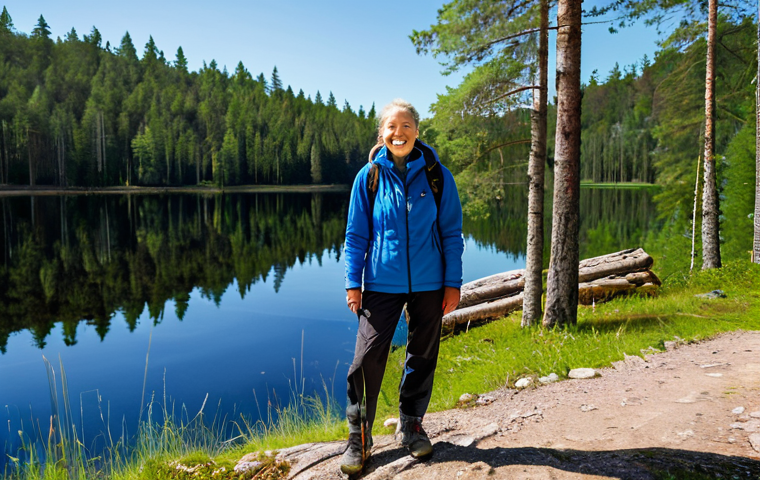
Volunteering abroad isn’t just about giving back; it’s a transformative experience that reshapes your perspective and expands your understanding of the world. My own journey started with a simple desire to do something meaningful during a career break, but it quickly evolved into a deep appreciation for the Swedish education system and its commitment to inclusivity and innovation. I remember feeling initially intimidated by the language barrier, but the welcoming nature of the teachers and students instantly put me at ease. It’s amazing how quickly you can pick up basic phrases when you’re immersed in the environment. The real reward, though, came from seeing the students’ faces light up when they grasped a new concept or achieved a personal milestone. These moments of connection are what truly make volunteering worthwhile.
Navigating the Application Process
Securing a volunteer position in Sweden’s education sector requires some planning and research. Start by identifying organizations that align with your interests and skills. Websites like Volunteer.se and Idealist.org are great resources for finding opportunities. Be prepared to submit a detailed application, including your resume, cover letter, and references. Highlight any relevant experience you have, whether it’s teaching, mentoring, or working with children. Don’t be afraid to showcase your unique talents and passions. For example, if you’re a skilled musician, you could offer to lead a music workshop. The more you demonstrate your commitment and enthusiasm, the better your chances of getting accepted.
Understanding Swedish Educational Philosophy
Before embarking on your volunteer adventure, take some time to familiarize yourself with the Swedish educational philosophy. It’s characterized by its emphasis on student-centered learning, critical thinking, and collaboration. Teachers act as facilitators, guiding students through the learning process rather than simply lecturing them. There’s also a strong focus on equality and inclusivity, ensuring that all students have the opportunity to succeed regardless of their background or abilities. I was particularly impressed by the way schools integrate technology into the classroom, using interactive whiteboards and online resources to enhance the learning experience. Understanding these principles will help you be a more effective and supportive volunteer.
Deep Dive into Daily Life as a Volunteer
Beyond the classroom, your daily life as a volunteer will be filled with opportunities to experience Swedish culture and connect with the local community. I found that even the simplest activities, like grocery shopping or taking public transportation, provided valuable insights into the Swedish way of life. Don’t be afraid to strike up conversations with people you meet – Swedes are generally friendly and eager to share their culture. Of course, there will be challenges along the way. You might encounter language barriers, cultural differences, or moments of homesickness. But these challenges are also opportunities for growth and self-discovery. Embrace them, learn from them, and remember that you’re not alone. There are plenty of resources available to help you navigate any difficulties you might encounter.
Accommodation and Living Expenses
One of the biggest considerations for any volunteer experience is accommodation. Depending on the organization you volunteer with, you might be provided with free or subsidized housing. Alternatively, you might need to find your own accommodation. Websites like Airbnb and Blocket.se are good options for finding affordable apartments or rooms. Keep in mind that living expenses in Sweden can be relatively high, especially in major cities like Stockholm and Gothenburg. Budget accordingly and look for ways to save money. Consider cooking your own meals, taking advantage of free activities, and utilizing public transportation.
Embracing Swedish Culture Outside the Classroom
Volunteering in Sweden isn’t just about what you do in the classroom; it’s also about immersing yourself in the local culture and embracing new experiences. Make time to explore the country’s stunning natural landscapes, from the vast forests and sparkling lakes to the rugged coastline and snow-capped mountains. Visit museums, art galleries, and historical sites to learn more about Swedish history and culture. Attend local festivals and events to experience the vibrant energy of the community. And don’t forget to indulge in Swedish cuisine! Sample traditional dishes like meatballs, herring, and cinnamon buns. By actively engaging with Swedish culture, you’ll not only enhance your volunteer experience but also gain a deeper understanding of yourself and the world around you.
Maximizing Your Impact as an Educational Volunteer
To truly make a difference as an educational volunteer, it’s essential to approach your role with a proactive and collaborative mindset. Don’t be afraid to take initiative and offer your skills and expertise. If you have a particular talent or passion, find ways to incorporate it into your volunteer work. For example, if you’re a skilled artist, you could offer to lead an art workshop for the students. It’s also crucial to build strong relationships with the teachers and staff at the school. Ask for their feedback and guidance, and be open to learning from their experiences. By working together as a team, you can create a more enriching and impactful learning environment for the students.
Effective Communication Strategies
Communication is key to any successful volunteer experience, especially when working in a multicultural setting. Be mindful of your communication style and adapt it to the needs of your audience. Speak clearly and concisely, and avoid using slang or jargon that might be unfamiliar to others. Be patient and understanding, and give people time to process information. If you’re unsure about something, don’t hesitate to ask for clarification. It’s also important to be a good listener. Pay attention to what others are saying, both verbally and nonverbally, and try to understand their perspective. By practicing effective communication, you can build trust and rapport with the students, teachers, and staff.
Leveraging Your Unique Skills and Talents
Every volunteer brings a unique set of skills and talents to the table. Take some time to reflect on your strengths and how you can use them to benefit the students and the school. Are you good at math? Offer to tutor students who are struggling with the subject. Are you a skilled writer? Help students with their essays and research papers. Are you passionate about science? Lead a science experiment or demonstration. By leveraging your unique skills and talents, you can make a significant contribution to the educational community. I found that sharing my passion for photography with the students sparked their creativity and helped them see the world in a new light.
Navigating Cultural Nuances in Swedish Schools
Sweden, while generally open and welcoming, has its own set of cultural nuances that can be helpful to understand before you begin volunteering. For instance, punctuality is highly valued. Being on time for your commitments shows respect for others’ time and the organization you’re working with. Direct communication is also common; Swedes tend to be straightforward and honest in their interactions. This isn’t meant to be rude, but rather a sign of efficiency and transparency. Finally, maintaining a sense of personal space is important. Avoid standing too close to people or engaging in overly familiar behavior, especially in the initial stages of building relationships. This might seem subtle, but being aware of these cultural norms can help you integrate more smoothly and build stronger connections with those around you.
Understanding the Concept of “Lagom”
One word that encapsulates a significant aspect of Swedish culture is “lagom.” It translates roughly to “just the right amount” or “moderation.” This principle permeates many aspects of Swedish life, from work-life balance to consumption habits. In the context of volunteering, “lagom” can mean striving for a sustainable and balanced approach. Don’t overcommit yourself or try to do too much at once. Instead, focus on making a consistent and meaningful contribution that you can sustain over the long term. This approach will not only benefit the students and the school but also help you avoid burnout and enjoy your volunteer experience to the fullest.
Respecting Equality and Inclusivity
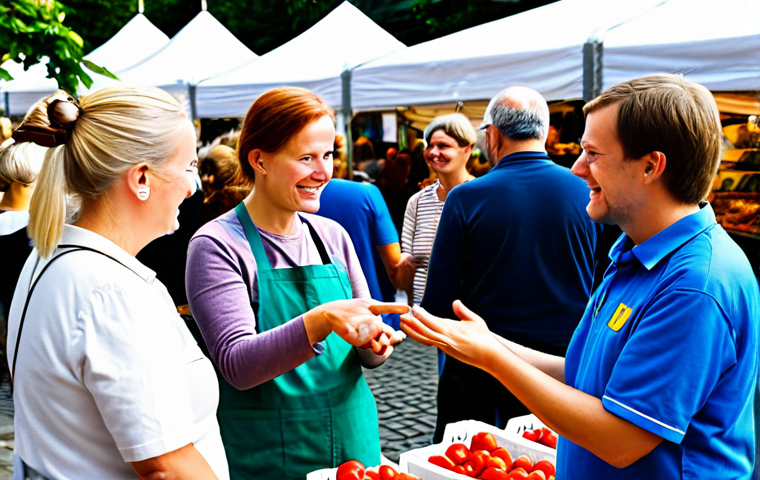
Swedish society places a strong emphasis on equality and inclusivity, and this is reflected in its education system. Schools strive to create a learning environment where all students feel valued, respected, and supported, regardless of their background, abilities, or identity. As a volunteer, it’s crucial to be mindful of these values and to treat all students with fairness and compassion. Avoid making assumptions or stereotypes, and be open to learning about different perspectives and experiences. Be an advocate for inclusivity and challenge any form of discrimination or bias that you might encounter. By promoting equality and inclusivity, you can help create a more just and equitable learning environment for all students.
Practical Tips for Thriving in Sweden
Beyond the specific aspects of educational volunteering, there are some practical tips that can help you thrive in Sweden and make the most of your experience. Learning some basic Swedish phrases is a great way to connect with the local community and show your respect for their culture. Even simple phrases like “hej” (hello), “tack” (thank you), and “ursäkta mig” (excuse me) can go a long way. Also, be prepared for the weather. Sweden can experience long, cold winters and mild, sunny summers. Pack accordingly and invest in warm, waterproof clothing. Finally, take advantage of the opportunity to explore the country’s stunning natural landscapes. Sweden is a paradise for outdoor enthusiasts, with endless opportunities for hiking, biking, skiing, and swimming.
Navigating Public Transportation
Sweden has an excellent public transportation system that makes it easy to get around, both within cities and between different regions. Buses, trains, trams, and subways are all readily available and generally reliable. Consider purchasing a travel card or pass to save money on fares. Be sure to download a public transportation app to your phone so you can easily plan your routes and check schedules. When using public transportation, be mindful of others and avoid making loud noises or taking up too much space. Give up your seat to elderly or disabled passengers, and always wait for your turn to board and disembark.
Budgeting and Saving Money
Living in Sweden can be expensive, especially in major cities like Stockholm and Gothenburg. It’s important to create a budget and stick to it to avoid overspending. Track your expenses and look for ways to save money. Consider cooking your own meals instead of eating out, taking advantage of free activities and events, and utilizing public transportation. Look for discounts and deals on groceries, entertainment, and travel. You can also save money by shopping at second-hand stores or flea markets. By being mindful of your spending habits, you can make your money go further and enjoy your time in Sweden without breaking the bank.
Documenting and Sharing Your Volunteer Story
Your volunteer experience in Sweden will undoubtedly be filled with memorable moments and valuable lessons. Consider documenting your journey through photos, videos, and journal entries. Sharing your story with others can inspire them to volunteer and make a difference in the world. You can create a blog or social media account to document your experiences, or you can share your story with local media outlets. If you’re comfortable speaking in public, you can offer to give presentations at schools or community events. By sharing your volunteer story, you can raise awareness about the importance of education and inspire others to get involved.
Creating a Portfolio of Your Work
As an educational volunteer, you’ll likely be involved in a variety of projects and activities. Consider creating a portfolio of your work to showcase your skills and accomplishments. This portfolio can include photos, videos, lesson plans, student work samples, and other materials that demonstrate your contributions to the educational community. Your portfolio can be a valuable tool for future job applications or volunteer opportunities. It can also serve as a reminder of the impact you made and the positive changes you helped create.
Staying Connected and Giving Back
Even after your volunteer experience in Sweden has ended, there are still ways to stay connected and give back to the community. You can maintain contact with the teachers, staff, and students you worked with, and offer your ongoing support and encouragement. You can also volunteer your time remotely, by providing online tutoring or mentoring. Consider donating to the school or organization you volunteered with, or supporting other educational initiatives. By staying connected and giving back, you can continue to make a positive impact on the lives of others, even from afar.
| Aspect | Description | Tips |
|---|---|---|
| Accommodation | Options include subsidized housing (if offered by the organization), Airbnb, or renting an apartment. | Book in advance, especially during peak seasons. Consider living outside major city centers for lower costs. |
| Transportation | Efficient and reliable public transportation system, including buses, trains, and subways. | Purchase a travel card or pass for cost savings. Download a public transportation app for route planning. |
| Budgeting | Living expenses can be high, especially in major cities. | Create a budget, cook your own meals, take advantage of free activities, and look for discounts. |
| Cultural Nuances | Punctuality, direct communication, and respecting personal space. | Arrive on time for commitments, communicate clearly and honestly, and maintain a respectful distance. |
| Language | While English is widely spoken, learning some basic Swedish phrases is beneficial. | Use language learning apps or websites, attend language classes, or practice with native speakers. |
In Conclusion
My journey volunteering in Swedish education has been nothing short of transformative. The experience not only broadened my understanding of global education but also deepened my appreciation for cultural exchange. I hope this post inspires you to consider a similar adventure. The world needs more compassionate individuals willing to contribute their time and skills to create a brighter future for all. By embracing new cultures and challenging ourselves, we can unlock personal growth and make a lasting impact on the lives of others.
Useful Information
1. Check out resources like “Study in Sweden” or the Swedish Institute’s website for visa information and application guidelines.
2. Join online communities like “Expats in Sweden” on Facebook to connect with other volunteers and expats for tips and support.
3. Download the “SL” app for easy navigation on Stockholm’s public transportation system.
4. Visit local “loppis” (flea markets) for affordable and unique finds.
5. Explore websites like “Visit Sweden” for tips on planning your free time and discovering local attractions.
Key Takeaways
Volunteering in Swedish education requires thorough preparation, cultural sensitivity, and a commitment to collaboration. Effective communication, leveraging unique skills, and embracing the concept of “lagom” are essential for success. By documenting your experiences, creating a portfolio, and staying connected with the community, you can maximize your impact and inspire others to get involved.
Frequently Asked Questions (FAQ) 📖
Q: What kind of prior experience or qualifications do I need to volunteer in education in Sweden?
A: Honestly, it depends on the specific program. Some programs might require a teaching degree or experience working with children, but others are more flexible and welcome volunteers with a genuine passion for education and a willingness to learn.
I’ve noticed that having some basic Swedish language skills is definitely a plus, but many programs offer language courses or focus on English-speaking volunteers.
Don’t be discouraged if you don’t have a ton of formal experience – enthusiasm and adaptability can go a long way!
Q: What are the typical living arrangements and costs associated with educational volunteer opportunities in Sweden?
A: From what I’ve gathered, living situations can vary. Some programs provide accommodation, often in shared apartments or host families, while others expect you to find your own housing.
Costs can also fluctuate depending on the location and the type of accommodation. I would say it’s realistic to expect to pay for food and transportation, although some programs might offer stipends or cover certain expenses.
It’s definitely worth budgeting carefully and researching the cost of living in the specific city or town where you’ll be volunteering. I’ve heard that Stockholm is significantly more expensive than smaller towns.
Q: How do I find reputable educational volunteer programs in Sweden and ensure they align with my values and interests?
A: That’s a great question! I’ve been using websites like VolunteerMatch and Idealist, filtering specifically for opportunities in Sweden and focusing on education.
It’s important to thoroughly research the organizations beforehand, reading reviews and checking their mission statements to see if they resonate with you.
I also recommend contacting past volunteers if possible – their firsthand experiences can provide valuable insights. Don’t be afraid to ask questions about the program’s structure, the type of work you’ll be doing, and how they support their volunteers.
It’s like finding the perfect pair of Swedish clogs – you want a good fit!
📚 References
Wikipedia Encyclopedia
구글 검색 결과
구글 검색 결과
구글 검색 결과
구글 검색 결과
구글 검색 결과