
Ever found yourself scrolling through dreamy photos of Scandinavia, wondering which Nordic gem truly fits your vibe? It’s a question I’ve wrestled with myself, and trust me, you’re not alone!
Many of us dream of experiencing that renowned work-life balance, stunning natural beauty, and innovative spirit these countries offer. Today, we’re diving deep into the fascinating world of Sweden and Denmark, two nations often grouped together but distinctly unique.
If you’ve ever pondered the subtle, and sometimes not-so-subtle, differences between these beloved neighbors, you’re in for a real treat. From their progressive approach to sustainability and digital innovation – where Sweden has recently reclaimed the top spot in EU innovation, while Denmark continues to excel in areas like wind energy – to their distinct cultural nuances, these countries offer surprisingly varied experiences.
I’ve heard countless expats share their stories, highlighting how Danes often embrace a more direct and jovial communication style, even in business, while Swedes tend to prefer a more consensus-driven and reserved approach.
And let’s not even get started on the cost of living; my personal research and anecdotal evidence consistently show Sweden generally offers a more budget-friendly lifestyle, especially when it comes to housing and daily expenses, compared to its slightly pricier Danish cousin.
Whether you’re planning a trip, considering a relocation, or just curious about what makes each nation tick, understanding these fascinating differences is absolutely key to truly appreciating their charm.
Let’s peel back the layers and discover what makes each country shine!
Embracing the Nordic Pace: Daily Life and Well-being
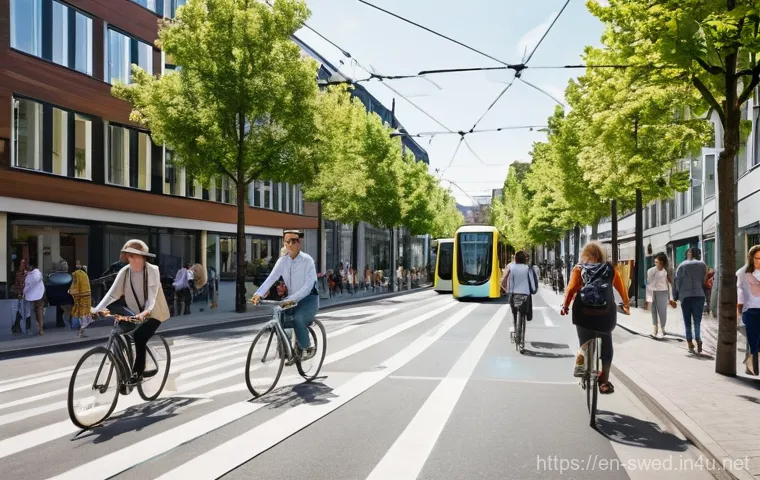
Stepping into Scandinavia, I quickly realized that life here moves to a distinctly different rhythm. It’s not about rushing, but about appreciating the moment and finding balance, though each country has its own flavor of this. In Denmark, you hear about Hygge constantly, and let me tell you, it’s not just a buzzword – it’s a lifestyle. I’ve personally found myself slowing down, savoring a cup of coffee with a friend, or simply enjoying a cozy evening at home with candles flickering. It’s about creating an atmosphere of warmth, comfort, and togetherness. It genuinely impacts your daily outlook; there’s a collective understanding that simple pleasures are paramount. Swedes, on the other hand, live by Lagom, which I interpret as ‘just the right amount’ – not too much, not too little. It’s about moderation in everything, from portion sizes to work-life balance. I’ve noticed this translates into incredibly efficient workspaces where people focus intensely during office hours but then truly switch off when they leave, unlike the constant ‘always-on’ culture I was used to. This philosophy seeps into everything: sustainable consumption, social equality, and even how they decorate their homes. It’s truly fascinating to experience these subtle yet profound differences in daily living philosophies that shape everything from grocery shopping to social interactions. Honestly, after a few months, I felt my stress levels drop significantly, a feeling I hadn’t realized I was missing until I found it here.
Hygge vs. Lagom: The Philosophy of Everyday Living
When I first heard about Hygge, I pictured fluffy socks and hot cocoa, and while that’s definitely part of it, it’s so much more. It’s about a feeling of contentment and coziness, often shared with loved ones. I remember one chilly evening in Copenhagen, gathered around a bonfire with Danish friends, sharing stories and warmth – that was pure Hygge. It’s not necessarily an activity but a state of being, a conscious effort to find joy in everyday moments. Lagom, however, resonated with me on a different level. It felt more pragmatic and less about immediate emotional comfort. It’s about balance, about ensuring everyone has enough, and not taking more than you need. I saw this in how public services are designed, how homes are furnished (minimalist yet functional), and even in how people communicate – direct but never excessive. My own journey taught me that while Hygge is about creating a moment of blissful indulgence, Lagom is about sustaining a balanced, fair, and practical life over the long term. Both are wonderful, but they appeal to different parts of your soul, if that makes sense.
Navigating the Social Scene: Friendships and Community
Making friends anywhere new can be tricky, and the Nordics are no exception. What I’ve found is that Danes, once you break through their initial reserved shell, are incredibly warm and welcoming. They have a jovial humor that’s infectious, and their directness, which can sometimes feel jarring at first, is actually a sign of trust and honesty. I’ve had some of the most genuine conversations with Danes who don’t mince words, and I’ve come to really appreciate that. Swedes, by contrast, tend to be more reserved and take longer to open up. Building a deep friendship in Sweden often means going through a more gradual process, but once you’re in, you’re truly considered part of their inner circle. I noticed that group activities, like joining a sports club or a choir, were excellent ways to meet people in both countries. For expats, there are thriving international communities, but I always felt that trying to engage with locals, even just learning a few phrases, made a huge difference. There’s a quiet strength in Swedish communities, a sense of collective responsibility, while Danish communities often feel more outwardly spirited and communal.
Whispers and Wonders: Unpacking Cultural Communication
Communication styles can be a subtle but significant hurdle when you move to a new country. It’s not just about the language, but the unspoken rules and expectations. In my experience, Danish communication can be wonderfully, sometimes hilariously, direct. They say what they mean, and they expect you to do the same. I once made a suggestion in a Danish business meeting that was met with a blunt “That won’t work.” Initially, I was taken aback, but then I realized it wasn’t personal; it was just efficient. There’s a refreshing lack of pretense, which I’ve grown to truly value. It saves a lot of time and gets straight to the point, which is fantastic for productivity once you adapt your own expectations. Swedes, however, often navigate conversations with a greater emphasis on consensus and diplomacy. They prefer a more indirect approach, ensuring everyone feels heard and that harmony is maintained. I’ve observed that they might avoid direct confrontation, preferring to find a common ground or hint at issues rather than state them outright. This can sometimes make conversations feel longer, but it also creates a very respectful and inclusive environment, especially in group settings. Understanding these nuances is like having a secret superpower when you’re trying to build relationships or work effectively in either country.
Directness vs. Diplomacy: Speaking the Local Language
My first few weeks in Denmark, I definitely had a few moments where I had to mentally re-calibrate my understanding of polite conversation. A Danish friend once told me, “You talk too much about the weather!” and laughed. It was her way of telling me to get to the point, and I loved her for it! It’s not rude; it’s simply pragmatic. In business, this directness means meetings are typically focused and decisions are made efficiently. There’s less small talk and more substance, which I found incredibly refreshing. In Sweden, I learned to read between the lines a bit more. When a Swede says, “That’s an interesting idea,” it might actually mean “I’m not convinced.” They prefer to avoid uncomfortable situations, and discussions often involve more careful wording to ensure everyone’s feelings are considered. I found that if I wanted to understand the true sentiment, I had to pay attention to body language and the overall group dynamic, rather than just the spoken words. It’s a fascinating contrast, and I’ve tried to integrate a bit of both into my own communication style now.
Public Etiquette and Social Norms: Blending In
Beyond spoken words, there are so many unwritten rules that shape daily interactions. In Denmark, there’s a strong sense of personal space, and while public transport might be crowded, people generally keep to themselves. Queuing is an art form, and cutting in line is a cardinal sin! I also quickly picked up on the importance of punctuality – being on time is a sign of respect. Swedes share many of these same norms, with a highly organized approach to public spaces and strong respect for rules. What struck me in Sweden was the profound respect for nature and quiet. People are incredibly mindful of noise levels in public and often retreat to nature for solace. Both cultures value equality, which manifests in everything from flat hierarchies at work to gender equality initiatives. I’ve noticed a strong sense of civic duty in both, with high levels of trust in institutions and fellow citizens. It’s a wonderful feeling to live in societies where you can generally trust that people will do the right thing and follow the rules, making daily life feel incredibly smooth and less stressful.
The Wallet’s Woes and Wins: Cost of Living and Economic Realities
Ah, the eternal question for anyone considering a move: how much is this going to cost me? And believe me, I’ve done my fair share of budgeting spreadsheets and late-night comparisons. My personal research and anecdotal evidence consistently show that while both countries are generally on the pricier side compared to many other parts of the world, Sweden typically offers a slightly more budget-friendly lifestyle. This is especially true when it comes to housing and daily essentials. I remember being quite shocked by rental prices in Copenhagen when I first looked, whereas Stockholm felt a little more manageable, especially if you venture slightly outside the city center. It’s not to say Sweden is cheap by any stretch, but the gap often feels noticeable. Things like groceries, public transport, and even a casual coffee can add up quicker in Denmark. However, both countries offer excellent public services and robust social safety nets, so while your upfront costs might be higher, you often get a lot of value in return through things like universal healthcare and affordable childcare. It’s a trade-off, really, and one that requires careful consideration of your personal finances and priorities. For me, understanding these subtle differences meant I could better plan my finances and avoid nasty surprises.
Housing Horizons: Renting, Buying, and Budgeting
Finding a place to live in a new country is always a major challenge, and the Nordic housing markets are famously competitive. In my experience, both Copenhagen and Stockholm have tight markets, but the price difference became very clear. I recall searching for a modest one-bedroom apartment and finding that similar properties in Copenhagen consistently commanded higher rents, sometimes by a significant margin. Stockholm offered slightly more breathing room, especially in areas just outside the very central districts, where you could find charming neighborhoods with better value. Buying property is also a significant investment in both, but again, Sweden seemed to present a slightly more accessible entry point for homeownership in the long run. My advice to anyone looking is to start your search early, be prepared for brisk competition, and consider house-sharing or looking slightly further afield if you’re on a tighter budget. Utilities, while often included in Danish rents, can be an additional significant cost in Sweden, so always factor that into your calculations. It’s not impossible, but it definitely requires patience and persistence to secure a comfortable and affordable living space.
Daily Spending: Groceries, Transport, and Entertainment
Once you’ve sorted out housing, the next big chunk of your budget goes to daily expenses. And this is where the differences continue to play out. Groceries in both countries can be expensive, particularly for imported goods, but I noticed that buying local produce and sticking to discount supermarkets helped immensely. However, I consistently felt my grocery bill was a bit higher in Denmark. Public transport is excellent and reliable in both, but the monthly passes or single tickets often felt a bit pricier in Copenhagen than in Stockholm. When it comes to entertainment, things like eating out, going to bars, or catching a movie are luxuries. A pint of beer or a restaurant meal can easily set you back a fair amount. To be honest, I found myself cooking at home more often and enjoying outdoor activities or picnics, which are thankfully abundant and free. It’s all part of adapting, and once you get into the swing of things, you find smart ways to enjoy life without constantly bleeding your wallet dry. The quality of life, even with the higher costs, often makes it feel worthwhile, especially when you consider the safety and infrastructure. Below is a quick comparison table I put together based on my observations.
| Category | Sweden (approx. USD equivalent) | Denmark (approx. USD equivalent) | My Observation |
|---|---|---|---|
| Average 1-bedroom City Center Rent | $1,000 – $1,600 | $1,300 – $2,000+ | Denmark felt consistently higher, especially in prime locations. |
| Monthly Public Transport Pass | $80 – $100 | $90 – $120 | Slightly more affordable in Sweden for comparable services. |
| Restaurant Meal (mid-range) | $15 – $25 | $20 – $35+ | Dining out can be a significant splurge in both. |
| Cup of Coffee | $4 – $6 | $5 – $7 | Both have excellent coffee culture, but it adds up! |
| Groceries (monthly for 1 person) | $250 – $400 | $300 – $500 | Danish supermarkets often seemed a tad pricier. |
From Fika to Frokost: A Culinary Adventure
Food is such an integral part of understanding a culture, and let me tell you, both Sweden and Denmark offer some delightful, albeit different, gastronomic experiences. In Sweden, you absolutely cannot escape Fika, and why would you want to? It’s not just a coffee break; it’s a sacred daily ritual involving coffee and a sweet pastry, most famously the cinnamon bun (kanelbulle). I’ve had some of my best conversations and made some wonderful connections over Fika. It’s a moment to pause, reset, and connect, whether with colleagues or friends. The coffee culture is incredibly strong, and you’ll find cozy cafes everywhere, often bustling with people. Danish cuisine, while also valuing quality ingredients, feels a bit heartier and revolves more around savory dishes. Their open-faced sandwiches, Smørrebrød, are legendary, and I’ve spent many a lunch trying out different toppings. It’s an art form, really, with beautifully arranged ingredients. While both appreciate fresh, seasonal produce, I’d say Swedish food tends to be a bit more restrained and elegant in its flavors, while Danish dishes often embrace richer, more robust profiles. Don’t even get me started on the pastries – both excel, but for different reasons! My taste buds have definitely been on an adventure.
Coffee Culture and Beyond: Snacking and Socializing
The coffee game is strong in both nations, but they play it a little differently. In Sweden, Fika is an institution. It’s a genuine break from work, a social pause, and it’s deeply ingrained in the culture. I’ve noticed people take their Fika seriously, ensuring they step away from their desks and truly disconnect for a short while. The pastries that accompany Fika, like the aforementioned kanelbulle or even a kardemummabulle (cardamom bun), are simply divine – often not overly sweet, just perfectly spiced. In Denmark, coffee is just as beloved, but the ritual isn’t quite as formalized as Fika. You’ll still find cafes brimming with people, but it might be more about grabbing a quick cup on the go or settling in for a longer chat without the same ‘obligatory’ pastry component. However, when it comes to snacks and treats, Danish pastries, or wienerbrød, are justly famous worldwide. They are buttery, flaky, and come in an incredible variety. Both cultures use these moments of enjoying food and drink as essential opportunities for socializing and building connections, which is something I deeply appreciate.
Local Delights and Dining Out: What to Expect
When it comes to full meals, the differences become even more apparent. Swedish traditional fare often includes dishes like meatballs (köttbullar) with lingonberry jam, crispbread (knäckebröd), and lots of pickled herring. There’s a strong emphasis on fresh, often locally sourced ingredients, and a certain simplicity that allows the quality of the produce to shine through. Fine dining in Sweden often leans towards New Nordic cuisine, with innovative presentations and unique flavor combinations. In Denmark, the food scene is vibrant and incredibly diverse. Beyond Smørrebrød, you’ll find comforting classics like flæskesteg (roast pork with crackling) or frikadeller (meatballs, but distinctly Danish!). Copenhagen, in particular, has become a global culinary hotspot, boasting numerous Michelin-starred restaurants that push the boundaries of gastronomy. Eating out in either country can be quite expensive, so many locals reserve it for special occasions. However, there are plenty of casual eateries, street food markets (especially in Copenhagen), and excellent bakeries where you can indulge without completely emptying your wallet. Exploring the local markets in both countries was a true delight, offering a glimpse into their culinary traditions and the freshest seasonal ingredients.
Innovation and Green Dreams: Shaping Tomorrow Today
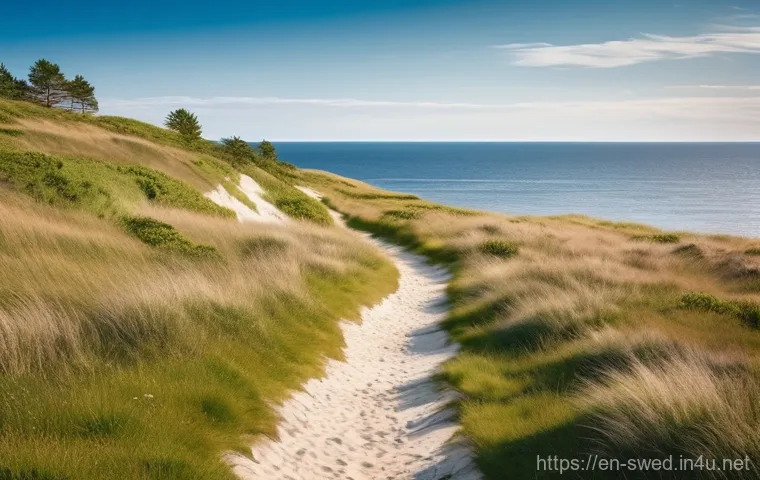
If there’s one thing that consistently impresses me about both Sweden and Denmark, it’s their unwavering commitment to innovation and sustainability. It’s not just talk; it’s woven into the fabric of daily life and national policy. Sweden has been a global leader in digital innovation for years, and reclaiming the top spot in EU innovation recently just solidifies that. I’ve personally experienced how seamlessly technology integrates into everyday life, from using mobile apps for everything from banking to public transport, to the widespread availability of high-speed internet. There’s a palpable drive towards creating smart cities and leveraging tech for societal good. Denmark, while also digitally advanced, shines particularly brightly in its dedication to green energy and sustainable living. I’ve been fascinated by their impressive wind energy infrastructure and their ambitious goals for carbon neutrality. Cycling is not just a hobby in Copenhagen; it’s a primary mode of transport, and the city’s bike lanes are a testament to this commitment. Both nations are pioneers, constantly pushing the boundaries of what’s possible in terms of environmental protection and technological advancement. It’s inspiring to live in places where future-proofing seems to be a core national value, and you can truly feel the collective effort towards a better, greener tomorrow. My own observations confirm that this isn’t just government policy; it’s deeply ingrained in the public consciousness, with individuals actively participating in sustainable practices.
Sustainable Living: Echoes in Every Corner
Living in these countries truly makes you re-evaluate your own consumption habits. Recycling in both Sweden and Denmark is not just encouraged; it’s practically a way of life, with meticulous sorting systems that make you feel genuinely part of the solution. I’ve found myself becoming much more conscious about waste and energy consumption. Public transportation networks are incredibly efficient, reducing the need for private cars, and cycling is king, especially in Denmark. Copenhagen’s focus on cycling infrastructure is simply astounding, making it easy and safe to get around on two wheels. In Sweden, there’s a strong emphasis on locally sourced, organic food, and many stores encourage customers to bring their own bags or use reusable containers. Both governments have implemented innovative policies to promote renewable energy, reduce emissions, and protect natural resources. I’ve seen this firsthand in the prevalence of green spaces within cities, the accessibility of nature, and the overall cleanliness of the environment. It’s clear that ecological responsibility isn’t a fleeting trend but a fundamental principle guiding both national and individual actions, making it a truly refreshing place to live for anyone who cares about the planet.
Digital Frontiers: Tech, Startups, and Smart Cities
As someone who relies heavily on technology, I’ve been consistently impressed by the digital infrastructure and innovative spirit in both Sweden and Denmark. Sweden, particularly Stockholm, is a powerhouse for tech startups and boasts a thriving innovation ecosystem. Companies like Spotify and Skype originated here, and the energy for new ideas is palpable. Everything from banking to government services is incredibly digitized, making administrative tasks surprisingly seamless. I remember setting up my Swedish bank account almost entirely online, which felt like a revelation compared to other countries. Denmark also excels in digital services and has a strong focus on smart city initiatives, leveraging data and technology to improve urban living. Their healthcare system, for instance, is highly integrated digitally, making appointments and accessing records incredibly efficient. Both countries prioritize data privacy and digital security, fostering a high level of trust in online interactions. This advanced digital landscape makes daily life remarkably convenient and efficient, allowing for more time to enjoy other aspects of Nordic living. For anyone in the tech sector, these countries offer incredibly fertile ground for careers and entrepreneurship, with a supportive environment for innovation and growth.
Beyond the Capital: Exploring Urban vs. Natural Beauty
While the capital cities, Copenhagen and Stockholm, are undoubtedly vibrant and captivating, a significant part of the Nordic charm lies in venturing beyond their bustling streets. Each country offers a distinct blend of urban sophistication and breathtaking natural beauty that genuinely refreshes the soul. Copenhagen, to me, always feels a bit more whimsical and colorful. Its canals, historic buildings, and charming neighborhoods like Nyhavn exude a lively, fairy-tale quality. There’s a palpable buzz, a sense of creative energy that flows through its streets, whether you’re exploring the Freetown Christiania or enjoying the vibrant food scene. Stockholm, with its stunning archipelago, feels more regal and elegant. The city, built on 14 islands, offers incredible waterfront views and a more serene, sophisticated atmosphere. The architecture, often grand and well-preserved, speaks to a rich history. However, the true magic often happens when you escape the city limits. Denmark’s countryside is gentle and rolling, with picturesque villages, vast farmlands, and a coastline dotted with lovely beaches. It’s perfect for serene bike rides and peaceful getaways. Sweden, on the other hand, boasts immense, untamed wilderness – vast forests, thousands of lakes, and the dramatic landscapes of the north. My personal experience exploring the Swedish forests, with their incredible quiet and sense of ancient history, felt profoundly different from the more cultivated Danish landscapes. Both offer incredible opportunities to reconnect with nature, but they do so in their own unique and beautiful ways, catering to different desires for adventure or tranquility.
City Charms: Copenhagen’s Buzz vs. Stockholm’s Elegance
Copenhagen truly captured my heart with its vibrant, almost bohemian spirit. Walking through its streets, I always felt an infectious energy, a blend of historical charm and modern design. The city encourages interaction; there are always people out and about, enjoying the numerous parks, cafes, and waterfront areas. I loved how easy it was to navigate on a bike, and the sense of community in neighborhoods like Nørrebro or Vesterbro was truly special. Stockholm, on the other hand, struck me with its sheer elegance and natural grandeur. The city seems to blend seamlessly with its surrounding waters and islands. Gamla Stan, the Old Town, is like stepping back in time, while areas like Södermalm offer panoramic views and a chic, artistic vibe. I often felt a sense of calm and order in Stockholm, even amidst its urban energy. It’s a city that rewards exploration, with hidden courtyards and stunning vistas around every corner. While both are undeniably beautiful and well-planned, Copenhagen felt more like a friendly, bustling village, whereas Stockholm presented itself as a sophisticated, stately capital. It really depends on what kind of urban experience you’re craving.
Wilderness Wonders: Escaping to Nature
The call of the wild in Scandinavia is powerful, and both countries offer distinct experiences for nature lovers. Denmark’s nature is more accessible and gentle. Its coastline is incredibly diverse, from the sandy beaches of the west to the dramatic cliffs of Møns Klint. I’ve spent many weekends exploring the Danish “hyggelig” countryside, with its rolling hills, charming thatched-roof houses, and tranquil forests. It’s perfect for leisurely hikes, picnics, and simply enjoying the fresh air. Sweden, however, offers a much grander scale of wilderness. The sheer vastness of its forests, the thousands of shimmering lakes, and the dramatic mountains in the north are truly awe-inspiring. I’ve personally felt a profound sense of peace and insignificance hiking through ancient Swedish forests, where the only sounds were the rustle of leaves and distant bird calls. The “Allemansrätten” or “freedom to roam” in Sweden means you can pretty much hike, camp, and forage almost anywhere, which is an incredible privilege. Whether you prefer the gentle, pastoral beauty of Denmark or the rugged, expansive wilderness of Sweden, both nations provide incredible opportunities to disconnect from the modern world and immerse yourself in the natural splendor. My own adventures in both have left me with countless cherished memories of stunning landscapes and profound tranquility.
Finding Your Footing: Adjusting to Nordic Life
Relocating to any new country comes with its own set of challenges and triumphs, and my journey in Scandinavia has been no different. One of the biggest questions I get is about social integration, and let me tell you, it’s a process. Both Danes and Swedes can seem a bit reserved at first glance, but once you make a connection, it’s often a very genuine and lasting one. I’ve found that joining clubs or engaging in shared hobbies is one of the best ways to meet people and build a support network. Whether it’s a language exchange group, a sports team, or a volunteer organization, these platforms offer common ground and a natural way to foster friendships. It takes effort, a willingness to put yourself out there, and a good dose of patience, but the rewards are truly wonderful. There’s a strong sense of community and support once you’re integrated, and I’ve found both countries to be incredibly welcoming once you break through that initial ‘Nordic cool’ exterior. The key, I’ve learned, is to embrace the local way of doing things and show a genuine interest in their culture. It’s a marathon, not a sprint, but building that sense of belonging is incredibly fulfilling.
Language Learning: A Gateway to Connection
Deciding whether to learn Danish or Swedish was one of my first big dilemmas. While most people, especially in urban areas, speak excellent English, making an effort to learn the local language truly opens doors. My own journey with Swedish, for example, has been challenging but incredibly rewarding. Danes often have a reputation for having a particularly tricky language with its unique sounds, but Swedes also have their nuances. I found that even learning just a few key phrases helped immensely in daily interactions – a simple “Hej” (hello) or “Tack” (thank you) can go a long way. More importantly, it shows respect for the local culture and signals your willingness to integrate. I’ve found that locals appreciate the effort, even if your pronunciation isn’t perfect, and it often sparks more conversation. Language schools are widely available, and many municipalities offer free or subsidized courses for new residents, which is an amazing resource. It’s not just about communication; it’s about understanding the subtle cultural jokes, the songs, and the deeper layers of identity that are expressed through language. It’s a long journey, but every word learned feels like a step closer to truly belonging.
Healthcare and Bureaucracy: Navigating the System
Dealing with administrative tasks and understanding a new healthcare system can be daunting, but in both Sweden and Denmark, I’ve found the systems to be incredibly well-organized and efficient, albeit sometimes a bit bureaucratic. Registering for residency, getting a personal identification number (which is crucial for almost everything), and understanding the healthcare system all require a bit of patience and careful attention to detail. However, once you’re in the system, the benefits are clear. Both countries offer universal healthcare, which is a massive relief compared to systems where you constantly worry about insurance deductibles and out-of-pocket costs. I’ve had positive experiences with doctors and clinics, finding them to be professional and thorough. The bureaucracy, while sometimes feeling slow, is generally very transparent and fair. Many government websites offer information in English, and there are often dedicated services for new arrivals to help navigate the initial paperwork. My advice would be to tackle these administrative tasks early, gather all your necessary documents, and don’t be afraid to ask for help from local friends or expat groups. While it might seem like a mountain to climb at first, establishing your official presence is a foundational step towards a smooth and settled life in either of these wonderful Nordic nations.
Wrapping Things Up
As I reflect on my time immersing myself in the Nordic way of life, it’s clear that both Denmark and Sweden offer a profoundly enriching, albeit distinct, experience. From the comforting embrace of Hygge to the balanced philosophy of Lagom, these cultures have a remarkable ability to foster well-being and a genuine appreciation for the simpler things. Navigating the social nuances, understanding the economic realities, and savoring the culinary delights have all been part of an incredible adventure. It’s a journey that continually teaches you to slow down, connect deeply, and find beauty in the everyday. I truly hope sharing my experiences has given you a clearer picture of what life here is really like, and perhaps even sparked your own Nordic dreams.
Useful Info to Know
1. Embrace the Seasons (and the Layers!): Nordic weather can be famously unpredictable, and while the summers are glorious, the winters are long and dark. My biggest tip is to invest in quality waterproof and thermal clothing. Seriously, you’ll thank me later! Beyond just battling the elements, learning to embrace each season, whether it’s cozying up indoors with candles during winter or enjoying endless summer nights outdoors, is key to truly loving life here. Many locals suffer from seasonal affective disorder, so investing in a light therapy lamp or ensuring you get enough Vitamin D can also make a huge difference to your mood and energy levels throughout the darker months. Plus, think of all the cozy fashion opportunities!
2. Master the Art of Budgeting for Living Costs: While the quality of life is high, so are the prices. My table above is a good starting point, but always factor in a buffer for unexpected costs. Groceries can be expensive, so learning to cook at home using seasonal, local produce will save you a ton. Look for discount supermarkets and get familiar with local market days. Public transport passes are a must, but cycling is often the most cost-effective and enjoyable way to get around in cities like Copenhagen. Eating out and drinking alcohol can quickly drain your wallet, so explore potlucks with friends or enjoy affordable street food options when you can.
3. Language Effort Goes a Long Way: Even though English is widely spoken, especially among younger generations and in business, making an effort to learn Danish or Swedish will significantly enhance your experience. It’s not just about practical communication; it’s a sign of respect and opens doors to deeper cultural understanding and local friendships. I’ve found that even basic phrases can break the ice and lead to more genuine interactions. Many municipalities offer free or subsidized language courses, which are also fantastic ways to meet new people and build a community, so definitely look into those programs.
4. Network Actively for Social Integration: The Nordics can seem reserved initially, but they are incredibly warm once you get to know them. Don’t wait for friendships to come to you; actively seek out opportunities. Join hobby clubs, sports teams, volunteer groups, or expat communities. These shared interests provide a natural common ground for building connections. Danes love their ‘foreningsliv’ (club life) and Swedes appreciate structured social activities. Be patient, be open, and be prepared to take the initiative – the effort you put in will be richly rewarded with lasting friendships and a strong sense of belonging.
5.
Understand the Cultural Codes (Directness vs. Diplomacy):
Remember the nuances in communication styles. Danes tend to be very direct and appreciate straightforwardness, which might feel blunt at first but is rarely personal. Swedes often lean towards diplomacy and consensus, preferring to avoid confrontation. Understanding these subtle differences will help you navigate social and professional interactions more smoothly. It’s not about changing who you are, but about adapting your approach to build stronger relationships and avoid misunderstandings. Pay attention to body language and unspoken cues, especially in group settings.
Key Takeaways
Living in Scandinavia has been a profound lesson in balanced living and mindful appreciation. My journey revealed that while Denmark and Sweden share a commitment to innovation, sustainability, and high quality of life, their unique cultural philosophies – Hygge and Lagom – truly shape daily existence. I’ve personally experienced how these principles foster a sense of well-being, from prioritizing cozy moments to embracing moderation in all things. Adapting to the distinct communication styles, from Danish directness to Swedish diplomacy, was an eye-opener, deeply impacting how I build relationships. Financially, while the cost of living is a factor, the value derived from robust public services and a strong social safety net is undeniable, and smart budgeting becomes an everyday art. Ultimately, the integration requires an open mind, a willingness to learn the language and engage in local life, and patience to truly find your footing. The rewards, however, are immeasurable: a deeper connection to nature, a seamless digital experience, and a community that values trust, equality, and collective responsibility. This experience has not just changed where I live, but how I live, making me a firm believer in the Nordic way.
Frequently Asked Questions (FAQ) 📖
Q: I’m really curious about the social aspect. What are the key differences in how people interact and the general vibe I can expect in Sweden versus Denmark?
A: Oh, this is such a fantastic question, and it’s one I hear all the time! From my personal experiences and chatting with countless expats, you’ll definitely notice a distinct flavor in the social fabric of Sweden and Denmark.
In Denmark, I’ve found that people tend to be a bit more direct and openly jovial in their communication. It’s not uncommon to hear a witty remark or a friendly, even slightly teasing, tone in conversations, even in a professional setting.
They have this wonderful concept of ‘hygge,’ which really permeates their social interactions – a sense of cozy togetherness and informality that makes you feel instantly at ease.
When I’ve been in Copenhagen, I often feel like striking up a conversation with a stranger is a little easier, and there’s often a hearty laugh involved.
On the flip side, Swedes, in my experience, lean towards a more consensus-driven and sometimes a touch more reserved approach. They value politeness and harmony, often preferring to avoid direct confrontation.
This isn’t to say they’re unfriendly – far from it! Once you break through that initial polite reserve, you’ll find them incredibly warm and loyal. It’s just that the social cues might be a bit more subtle, and there’s a greater emphasis on thoughtful consideration before speaking.
I remember attending a few work events in Stockholm, and the discussions, while incredibly insightful, always felt a bit more structured and less spontaneous than similar gatherings I’d been to in Aarhus.
So, if you’re looking for more immediate, outgoing interactions, Denmark might feel more familiar, but if you appreciate a thoughtful, harmonious environment, Sweden truly shines.
Q: My budget is a big factor when I’m planning travel or thinking about relocating. Which country, Sweden or Denmark, is generally more budget-friendly for daily life and housing?
A: This is a question that hits home for many, myself included! We all want to make our euros (or kroner!) stretch as far as possible. Based on extensive research and my own anecdotal evidence from friends and colleagues living in both nations, Sweden generally offers a more budget-friendly lifestyle compared to its Danish cousin.
This is especially true when we talk about housing and daily expenses. I’ve seen firsthand how rental prices, particularly outside the absolute city centers, can be noticeably lower in Swedish cities like Malmö or Gothenburg compared to similar areas in Copenhagen.
Even daily groceries, dining out occasionally, and transportation tend to be a little easier on the wallet in Sweden. Denmark, with its high standard of living, often comes with a higher price tag.
While the quality of life is undeniably excellent, you’ll typically find that things like a simple coffee, a restaurant meal, or that apartment rent will command a higher cost.
For instance, I recall searching for a mid-range apartment in both cities for a hypothetical move, and the difference in monthly rent for a similar size and location was quite striking – often 15-20% higher in Denmark.
So, if you’re trying to make your funds go further, whether it’s for an extended trip or a potential relocation, Sweden often presents a more economically viable option without sacrificing that incredible Nordic quality of life.
Q: Both countries sound amazing! If I’m trying to decide between Sweden and Denmark for a trip or even a potential move, what are the key experiences or strengths each offers that might help me choose?
A: Ah, the delightful dilemma of choosing between two fantastic destinations! This is where knowing your priorities really comes into play. From my perspective, if you’re drawn to cutting-edge innovation, a deeply ingrained appreciation for nature, and a slightly more understated, sophisticated vibe, Sweden might be calling your name.
It’s a country that excels in digital innovation, boasting a vibrant tech scene, and its commitment to sustainability is genuinely inspiring. Plus, the vast natural landscapes – from the serene archipelagos to the majestic Lapland – offer an incredible sense of tranquility and adventure.
I’ve always found the Swedish commitment to a balanced, organized, and forward-thinking society truly admirable. It’s a place where you can feel the pulse of progress while being deeply connected to nature.
Denmark, on the other hand, really shines if you’re seeking a more compact, charming, and perhaps a touch more ‘cozy’ European experience with a strong emphasis on design, gastronomy, and that unique ‘hygge’ lifestyle.
It consistently ranks high in happiness for a reason! Their urban centers, especially Copenhagen, are incredibly walkable, filled with stunning architecture, world-class dining, and a palpable sense of vibrant community.
They’re also pioneers in areas like wind energy, showcasing a different but equally impressive approach to sustainability. If you’re someone who thrives on cycling everywhere, enjoys a bustling café culture, and appreciates a strong sense of national pride rooted in creativity and social well-being, then Denmark could very well be your perfect fit.
It truly boils down to whether you prefer Sweden’s expansive innovation and natural grandeur or Denmark’s intimate charm and joyful living.