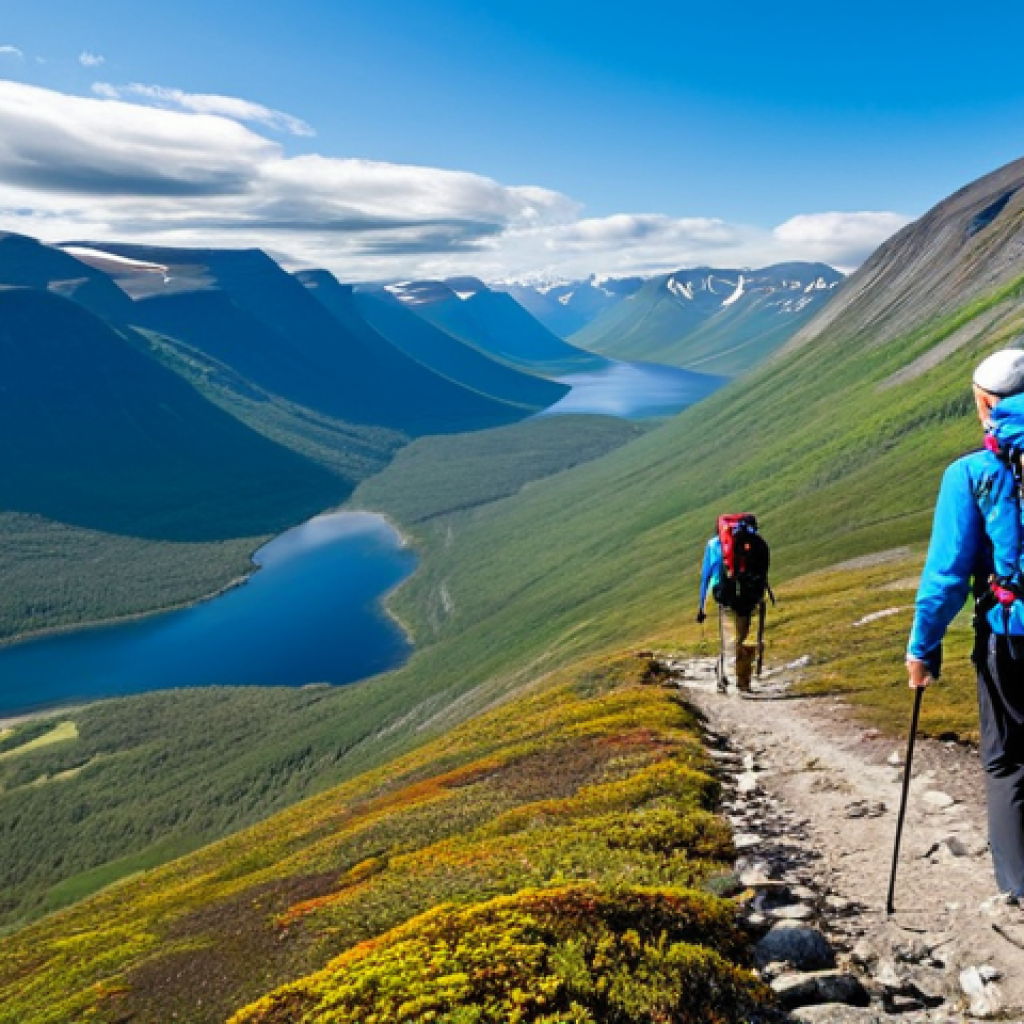
Sweden, a land sculpted by glaciers and painted with vast forests and shimmering lakes, offers an unparalleled hiking and trekking experience. From the challenging peaks of Lapland in the north to the gentler trails of Skåne in the south, there’s a path for every level of adventurer.
I remember my first trek through Sarek National Park – the raw, untouched beauty left me breathless. Seriously, the sheer scale of the wilderness is something you just don’t get anywhere else.
The future of trekking in Sweden, I think, will see a focus on sustainable tourism, preserving these incredible landscapes for generations to come. So, whether you’re a seasoned hiker or just starting out, Sweden’s trails are calling.
Let’s delve deeper into the specifics in the following article.
Embark on an adventure, immerse yourself in the natural world, and discover Sweden’s most incredible trails.
Navigating Sweden’s Diverse Terrain: A Hiker’s Paradise
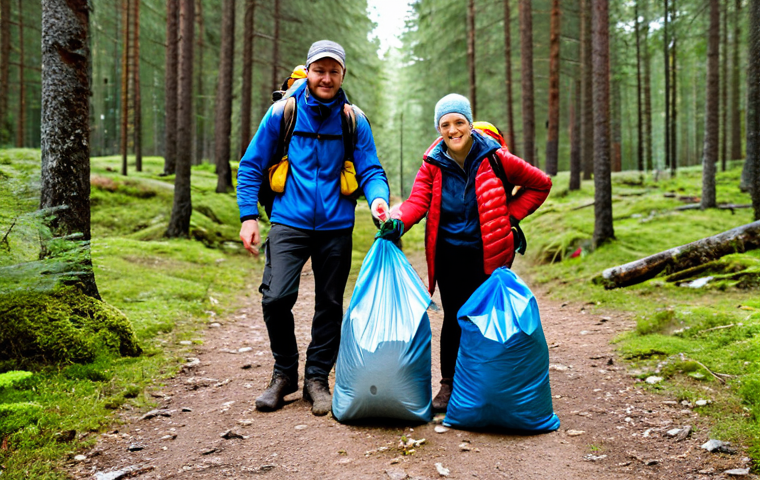
Sweden’s hiking landscape is incredibly diverse, offering everything from gentle coastal walks to challenging mountain treks. When I first started planning my hiking trips in Sweden, I was honestly a bit overwhelmed by the sheer variety.
But that’s part of what makes it so exciting! One thing I quickly learned is that preparation is key. You need to consider the type of terrain you’ll be encountering, the weather conditions, and your own physical capabilities.
Understanding Trail Ratings
Navigating the Swedish hiking trails requires a basic understanding of their rating system. Trails are typically categorized by difficulty: easy, moderate, and difficult.
Easy trails are usually well-maintained, relatively flat, and suitable for beginners and families. Moderate trails might involve some elevation gain, rocky terrain, or longer distances, making them a bit more challenging.
Difficult trails are often found in mountainous areas, require significant physical fitness, and may involve scrambling or navigating through unmarked terrain.
I remember underestimating a “moderate” trail once and ending up completely exhausted – lesson learned!
Essential Gear for Swedish Treks
Packing the right gear can make or break your hiking experience in Sweden. The weather can be unpredictable, even in summer, so it’s essential to be prepared for all conditions.
Layers are your best friend – a waterproof and windproof jacket, warm fleece or wool layers, and moisture-wicking base layers will keep you comfortable in changing weather.
Sturdy hiking boots with good ankle support are crucial, especially for rough terrain. A well-fitting backpack, a map and compass (or GPS device), a first-aid kit, plenty of water, and high-energy snacks are also essential items.
Don’t forget insect repellent, as mosquitoes and other biting insects can be quite prevalent in some areas, particularly during the summer months. I always bring a headlamp, even for day hikes, just in case I get caught out after dark.
Embracing the “Allemansrätten”: Sweden’s Unique Right to Roam
The “Allemansrätten,” or “Right to Public Access,” is a cornerstone of Swedish culture and a privilege that allows everyone to roam freely in nature, provided they respect the environment and private property.
It’s an amazing concept, but it comes with responsibilities. On my first solo hiking trip, I was so impressed by how well-maintained and pristine the trails were.
It’s a testament to how seriously Swedes take their responsibility to protect their natural environment.
Leave No Trace Principles
The Allemansrätten relies on the principle of “leave no trace.” This means minimizing your impact on the environment by packing out everything you pack in, staying on marked trails, avoiding disturbing wildlife, and not making unnecessary noise.
When camping, choose established campsites whenever possible, and avoid building fires in areas where they are prohibited. Dispose of human waste properly by burying it at least 6 inches deep and 200 feet away from water sources and trails.
Respecting these principles ensures that everyone can enjoy Sweden’s natural beauty for generations to come. I once saw a group of hikers leaving trash behind, and it was honestly heartbreaking.
It’s up to all of us to protect these special places.
Respecting Private Property
While the Allemansrätten grants you the right to roam freely, it’s important to respect private property. Avoid walking through gardens, cultivated fields, or areas near houses.
Ask permission before camping on private land, and always be mindful of noise levels. Remember that the Allemansrätten is a privilege, not a right, and it can be revoked if abused.
Popular Hiking Regions in Sweden
Sweden has a few popular regions that beckon all kinds of hikers, from beginners to experts.
Kungsleden (The King’s Trail)
Kungsleden is arguably Sweden’s most famous hiking trail, stretching over 400 kilometers through the heart of Lapland. This long-distance trail offers breathtaking views of mountains, glaciers, and vast wilderness areas.
The northern section of Kungsleden, from Abisko to Hemavan, is the most popular and well-maintained. It’s a challenging trek that typically takes several weeks to complete, but shorter sections can be hiked as well.
I met a couple of hikers who were attempting the entire trail, and their stories were incredible! They told me about encountering reindeer herds, crossing raging rivers, and camping under the Northern Lights.
Sarek National Park
For experienced hikers seeking a true wilderness adventure, Sarek National Park is a must-visit destination. This remote and rugged park is home to some of Sweden’s highest mountains, deep valleys, and pristine lakes.
There are no marked trails or facilities in Sarek, so navigation skills and self-sufficiency are essential. The terrain is challenging, with steep slopes, rocky ground, and frequent river crossings.
However, the rewards are immense – unparalleled solitude, stunning scenery, and a chance to experience the raw beauty of the Arctic wilderness.
Sustainable Hiking Practices in Sweden
| Practice | Description | Benefits |
|---|---|---|
| Stay on Marked Trails | Stick to designated paths. | Reduces erosion and protects vegetation. |
| Pack Out All Trash | Carry out everything you bring in. | Keeps the environment clean and protects wildlife. |
| Proper Waste Disposal | Bury human waste properly. | Prevents water contamination and spread of disease. |
| Respect Wildlife | Observe animals from a distance. | Minimizes disturbance to their natural behaviors. |
| Camp Responsibly | Use established campsites. | Reduces impact on vegetation and soil. |
Sweden is committed to sustainable tourism, and it’s important for hikers to do their part to protect the environment. This means choosing eco-friendly accommodations, using public transportation whenever possible, and supporting local businesses that prioritize sustainability.
Minimizing Environmental Impact
One of the most important aspects of sustainable hiking is minimizing your environmental impact. This includes staying on marked trails, avoiding disturbing wildlife, and properly disposing of waste.
When washing dishes or clothes, use biodegradable soap and dispose of wastewater at least 200 feet away from water sources. Avoid building fires in areas where they are prohibited, and use a camp stove for cooking whenever possible.
By following these simple guidelines, you can help protect Sweden’s natural beauty for future generations.
Supporting Local Communities
Sustainable tourism also involves supporting local communities. This can be as simple as buying food and supplies from local businesses, staying in locally owned accommodations, and participating in cultural activities that benefit the community.
By supporting local communities, you can help ensure that tourism contributes to their economic well-being and preserves their cultural heritage.
The Best Time to Hike in Sweden
The best time to hike in Sweden depends on the region and the type of experience you’re looking for. Summer (June-August) is the most popular time for hiking, with long days, mild temperatures, and plenty of sunshine.
However, it’s also the busiest time of year, and trails can be crowded. Spring (April-May) and autumn (September-October) offer cooler temperatures, fewer crowds, and stunning fall foliage.
Winter (November-March) is ideal for experienced hikers who are prepared for challenging conditions, such as snow, ice, and extreme cold.
Summer Hiking: Midnight Sun Adventures
Summer is a magical time to hike in Sweden, especially in the northern regions where you can experience the midnight sun. This phenomenon allows you to hike and explore at any time of day or night, with endless daylight illuminating the landscape.
Summer temperatures are generally mild, but it’s important to be prepared for rain and cooler temperatures, especially in the mountains. Mosquitoes and other biting insects can be quite prevalent during the summer months, so be sure to bring insect repellent.
Autumn Hiking: Colorful Landscapes
Autumn is a fantastic time to hike in Sweden, with cooler temperatures, fewer crowds, and stunning fall foliage. The forests and mountains come alive with vibrant colors, creating a truly unforgettable experience.
The days are shorter than in summer, so it’s important to plan your hikes accordingly. Be prepared for rain and colder temperatures, especially in the mountains.
Safety Tips for Hiking in Sweden
Hiking in Sweden can be a safe and rewarding experience, but it’s important to be aware of potential hazards and take appropriate precautions.
Weather Awareness
The weather in Sweden can be unpredictable, so it’s essential to check the forecast before heading out on a hike. Be prepared for sudden changes in weather, such as rain, wind, and fog.
Dress in layers, and bring a waterproof and windproof jacket.
Navigation Skills
Navigation skills are crucial for hiking in Sweden, especially in remote areas where there may be no marked trails. Carry a map and compass (or GPS device), and know how to use them.
Familiarize yourself with the terrain before heading out on a hike, and be aware of potential hazards, such as steep slopes, rocky ground, and river crossings.
Emergency Preparedness
It’s always a good idea to be prepared for emergencies when hiking in Sweden. Carry a first-aid kit, a whistle, a flashlight, and a fully charged cell phone.
Let someone know your hiking plans, and check in with them regularly. If you get lost or injured, stay calm and try to signal for help.
Navigating Sweden’s Diverse Terrain: A Hiker’s Paradise
Sweden’s hiking landscape is incredibly diverse, offering everything from gentle coastal walks to challenging mountain treks. When I first started planning my hiking trips in Sweden, I was honestly a bit overwhelmed by the sheer variety. But that’s part of what makes it so exciting! One thing I quickly learned is that preparation is key. You need to consider the type of terrain you’ll be encountering, the weather conditions, and your own physical capabilities.
Understanding Trail Ratings
Navigating the Swedish hiking trails requires a basic understanding of their rating system. Trails are typically categorized by difficulty: easy, moderate, and difficult. Easy trails are usually well-maintained, relatively flat, and suitable for beginners and families. Moderate trails might involve some elevation gain, rocky terrain, or longer distances, making them a bit more challenging. Difficult trails are often found in mountainous areas, require significant physical fitness, and may involve scrambling or navigating through unmarked terrain. I remember underestimating a “moderate” trail once and ending up completely exhausted – lesson learned!
Essential Gear for Swedish Treks
Packing the right gear can make or break your hiking experience in Sweden. The weather can be unpredictable, even in summer, so it’s essential to be prepared for all conditions. Layers are your best friend – a waterproof and windproof jacket, warm fleece or wool layers, and moisture-wicking base layers will keep you comfortable in changing weather. Sturdy hiking boots with good ankle support are crucial, especially for rough terrain. A well-fitting backpack, a map and compass (or GPS device), a first-aid kit, plenty of water, and high-energy snacks are also essential items. Don’t forget insect repellent, as mosquitoes and other biting insects can be quite prevalent in some areas, particularly during the summer months. I always bring a headlamp, even for day hikes, just in case I get caught out after dark.
Embracing the “Allemansrätten”: Sweden’s Unique Right to Roam
The “Allemansrätten,” or “Right to Public Access,” is a cornerstone of Swedish culture and a privilege that allows everyone to roam freely in nature, provided they respect the environment and private property. It’s an amazing concept, but it comes with responsibilities. On my first solo hiking trip, I was so impressed by how well-maintained and pristine the trails were. It’s a testament to how seriously Swedes take their responsibility to protect their natural environment.
Leave No Trace Principles
The Allemansrätten relies on the principle of “leave no trace.” This means minimizing your impact on the environment by packing out everything you pack in, staying on marked trails, avoiding disturbing wildlife, and not making unnecessary noise. When camping, choose established campsites whenever possible, and avoid building fires in areas where they are prohibited. Dispose of human waste properly by burying it at least 6 inches deep and 200 feet away from water sources and trails. Respecting these principles ensures that everyone can enjoy Sweden’s natural beauty for generations to come. I once saw a group of hikers leaving trash behind, and it was honestly heartbreaking. It’s up to all of us to protect these special places.
Respecting Private Property
While the Allemansrätten grants you the right to roam freely, it’s important to respect private property. Avoid walking through gardens, cultivated fields, or areas near houses. Ask permission before camping on private land, and always be mindful of noise levels. Remember that the Allemansrätten is a privilege, not a right, and it can be revoked if abused.
Popular Hiking Regions in Sweden
Sweden has a few popular regions that beckon all kinds of hikers, from beginners to experts.
Kungsleden (The King’s Trail)
Kungsleden is arguably Sweden’s most famous hiking trail, stretching over 400 kilometers through the heart of Lapland. This long-distance trail offers breathtaking views of mountains, glaciers, and vast wilderness areas. The northern section of Kungsleden, from Abisko to Hemavan, is the most popular and well-maintained. It’s a challenging trek that typically takes several weeks to complete, but shorter sections can be hiked as well. I met a couple of hikers who were attempting the entire trail, and their stories were incredible! They told me about encountering reindeer herds, crossing raging rivers, and camping under the Northern Lights.
Sarek National Park
For experienced hikers seeking a true wilderness adventure, Sarek National Park is a must-visit destination. This remote and rugged park is home to some of Sweden’s highest mountains, deep valleys, and pristine lakes. There are no marked trails or facilities in Sarek, so navigation skills and self-sufficiency are essential. The terrain is challenging, with steep slopes, rocky ground, and frequent river crossings. However, the rewards are immense – unparalleled solitude, stunning scenery, and a chance to experience the raw beauty of the Arctic wilderness.
Sustainable Hiking Practices in Sweden
| Practice | Description | Benefits |
|---|---|---|
| Stay on Marked Trails | Stick to designated paths. | Reduces erosion and protects vegetation. |
| Pack Out All Trash | Carry out everything you bring in. | Keeps the environment clean and protects wildlife. |
| Proper Waste Disposal | Bury human waste properly. | Prevents water contamination and spread of disease. |
| Respect Wildlife | Observe animals from a distance. | Minimizes disturbance to their natural behaviors. |
| Camp Responsibly | Use established campsites. | Reduces impact on vegetation and soil. |
Sweden is committed to sustainable tourism, and it’s important for hikers to do their part to protect the environment. This means choosing eco-friendly accommodations, using public transportation whenever possible, and supporting local businesses that prioritize sustainability.
Minimizing Environmental Impact
One of the most important aspects of sustainable hiking is minimizing your environmental impact. This includes staying on marked trails, avoiding disturbing wildlife, and properly disposing of waste. When washing dishes or clothes, use biodegradable soap and dispose of wastewater at least 200 feet away from water sources. Avoid building fires in areas where they are prohibited, and use a camp stove for cooking whenever possible. By following these simple guidelines, you can help protect Sweden’s natural beauty for future generations.
Supporting Local Communities
Sustainable tourism also involves supporting local communities. This can be as simple as buying food and supplies from local businesses, staying in locally owned accommodations, and participating in cultural activities that benefit the community. By supporting local communities, you can help ensure that tourism contributes to their economic well-being and preserves their cultural heritage.
The Best Time to Hike in Sweden
The best time to hike in Sweden depends on the region and the type of experience you’re looking for. Summer (June-August) is the most popular time for hiking, with long days, mild temperatures, and plenty of sunshine. However, it’s also the busiest time of year, and trails can be crowded. Spring (April-May) and autumn (September-October) offer cooler temperatures, fewer crowds, and stunning fall foliage. Winter (November-March) is ideal for experienced hikers who are prepared for challenging conditions, such as snow, ice, and extreme cold.
Summer Hiking: Midnight Sun Adventures
Summer is a magical time to hike in Sweden, especially in the northern regions where you can experience the midnight sun. This phenomenon allows you to hike and explore at any time of day or night, with endless daylight illuminating the landscape. Summer temperatures are generally mild, but it’s important to be prepared for rain and cooler temperatures, especially in the mountains. Mosquitoes and other biting insects can be quite prevalent during the summer months, so be sure to bring insect repellent.
Autumn Hiking: Colorful Landscapes
Autumn is a fantastic time to hike in Sweden, with cooler temperatures, fewer crowds, and stunning fall foliage. The forests and mountains come alive with vibrant colors, creating a truly unforgettable experience. The days are shorter than in summer, so it’s important to plan your hikes accordingly. Be prepared for rain and colder temperatures, especially in the mountains.
Safety Tips for Hiking in Sweden
Hiking in Sweden can be a safe and rewarding experience, but it’s important to be aware of potential hazards and take appropriate precautions.
Weather Awareness
The weather in Sweden can be unpredictable, so it’s essential to check the forecast before heading out on a hike. Be prepared for sudden changes in weather, such as rain, wind, and fog. Dress in layers, and bring a waterproof and windproof jacket.
Navigation Skills
Navigation skills are crucial for hiking in Sweden, especially in remote areas where there may be no marked trails. Carry a map and compass (or GPS device), and know how to use them. Familiarize yourself with the terrain before heading out on a hike, and be aware of potential hazards, such as steep slopes, rocky ground, and river crossings.
Emergency Preparedness
It’s always a good idea to be prepared for emergencies when hiking in Sweden. Carry a first-aid kit, a whistle, a flashlight, and a fully charged cell phone. Let someone know your hiking plans, and check in with them regularly. If you get lost or injured, stay calm and try to signal for help.
Concluding Thoughts
Sweden’s hiking trails offer an unparalleled opportunity to connect with nature and experience the country’s breathtaking landscapes. From the majestic Kungsleden to the serene forests of Småland, there’s a trail for every adventurer. Embrace the Allemansrätten responsibly, pack your gear wisely, and prepare for an unforgettable journey through the heart of Scandinavia. Happy trails, and may your Swedish hiking adventures be filled with wonder and discovery!
Useful Tips
1. Currency: Sweden uses the Swedish Krona (SEK). Credit and debit cards are widely accepted, but it’s always good to have some cash on hand for smaller establishments or remote areas.
2. Tipping: Tipping is not customary in Sweden, as service charges are typically included in the bill. However, you can round up the bill or leave a small tip for exceptional service.
3. Emergency Number: In case of an emergency, dial 112 for police, fire, or ambulance services.
4. Electricity: Sweden uses the standard European plug type (Type C and F) with a voltage of 230V. Make sure to bring an adapter if your devices use a different plug type.
5. Public Transportation: Sweden has an excellent public transportation system, including trains, buses, and trams. Consider purchasing a travel pass for cost-effective travel within cities and regions.
Key Takeaways
Sweden offers diverse hiking experiences, from easy coastal walks to challenging mountain treks.
Understanding trail ratings and packing appropriate gear are essential for a safe and enjoyable hike.
The Allemansrätten grants the right to roam freely, but it comes with responsibilities to respect the environment and private property.
Sustainable hiking practices are crucial to protect Sweden’s natural beauty for future generations.
Planning your trip according to the best time to hike in Sweden ensures optimal weather conditions and fewer crowds.
Frequently Asked Questions (FAQ) 📖
Q: What’s the best time of year to go trekking in Sweden, especially if I’m not a super experienced hiker?
A: Honestly, for most people, summer (June-August) is the sweet spot. The weather is milder, the days are long, and the trails are generally more accessible.
I remember trying a shoulder-season hike once and got caught in a surprise snow flurry – definitely learned my lesson! Plus, the mosquitoes can be brutal earlier or later in the season.
Summer’s also when most of the huts and services are open, which is a big help if you’re not totally self-sufficient.
Q: I’m keen on responsible travel. How can I ensure my trek in Sweden is sustainable and doesn’t harm the environment?
A: That’s awesome! Sweden’s really good about this. The key is “Leave No Trace.” Stick to marked trails to avoid erosion, pack out everything you pack in (including food scraps!), and be mindful of wildlife.
I always carry a reusable water bottle and refill it whenever I can, instead of buying plastic. Also, consider using public transport to get to and from your trailhead.
Little things like that make a big difference. Some tour operators even specialize in eco-friendly treks – that’s another great option.
Q: What gear is absolutely essential for a multi-day trek in the Swedish wilderness? I don’t want to overpack, but I also don’t want to be caught unprepared!
A: Okay, so layering is your best friend. Think a good base layer, a fleece or light down jacket, and a waterproof outer shell. Sturdy hiking boots are a must, and I swear by merino wool socks – they keep your feet dry and blister-free.
A reliable backpack with a rain cover is essential, and don’t forget a headlamp! Seriously, trust me on that one. And of course, a map, compass (or GPS device), and plenty of high-energy snacks.
One time, I underestimated the distance between huts and ran out of food… never again!
📚 References
Wikipedia Encyclopedia
구글 검색 결과
구글 검색 결과
구글 검색 결과
구글 검색 결과
구글 검색 결과