Hey there, education explorers! Have you ever paused to wonder what it truly means to learn in a system that champions both creativity and equality? Well, let me tell you, Sweden’s approach to education is genuinely captivating.
From early childhood to higher learning, they’re not just imparting knowledge; they’re actively nurturing future innovators and global citizens. I’ve personally been so impressed by their commitment to a personalized journey, deeply valuing each child’s unique talents, all while offering broad access to tuition-free education for many.
Intrigued by how they achieve such a forward-thinking environment? Let’s uncover the magic behind the Swedish education system together!
Fostering Little Learners: The Magic of Swedish Preschools
Stepping into a Swedish förskola, or preschool, is like entering a vibrant, joyful world where play isn’t just fun; it’s the cornerstone of learning. I remember watching these little ones, no older than toddlers, spending hours outdoors, rain or shine, building forts, exploring nature, and collaborating on imaginative games. It’s genuinely inspiring to see how seamlessly they integrate social development, empathy, and early literacy through guided play rather than rigid academic schedules. What truly struck me was the focus on respecting each child’s pace and individuality. There’s no pressure to achieve specific academic milestones prematurely; instead, the emphasis is on fostering curiosity, creativity, and a strong sense of self. From my observations, this gentle beginning lays an incredible foundation for a lifelong love of learning, and it’s something I think many other systems could learn from. It’s not just about childcare; it’s about cultivating future citizens who understand collaboration and respect from the get-go. This early investment truly sets the stage for a unique educational journey.
The Power of Play-Based Learning
I’ve always believed that the most effective learning happens when children are engaged and having fun, and Swedish preschools embody this philosophy perfectly. They utilize “lekfullt lärande” – playful learning – which allows children to explore concepts like mathematics, language, and science through hands-on activities, storytelling, and free play. I’ve seen firsthand how this approach encourages problem-solving and critical thinking without the kids even realizing they’re “studying.” Instead of worksheets, they’re building elaborate structures with blocks, learning about volume and balance. Instead of flashcards, they’re singing songs and telling stories, naturally expanding their vocabulary. It’s truly a breath of fresh air compared to more rigid systems, and I honestly think it makes for happier, more confident little learners. They’re building a solid emotional and social foundation that will serve them well for years to come.
Developing Social Superpowers Early On
Beyond academics, one of the most remarkable aspects of Swedish preschools is their unwavering commitment to social and emotional development. I’ve noticed a strong emphasis on fostering empathy, conflict resolution, and cooperation among children from a very young age. Teachers act as facilitators, guiding children to express their feelings, understand different perspectives, and work through disagreements independently. It’s not uncommon to see a group of four-year-olds discussing how to share a toy fairly or comforting a friend who is sad. This focus on “social competence” is truly impressive, and I feel it’s often overlooked in other educational environments. These kids aren’t just learning to count; they’re learning to be kind, considerate, and responsible members of a community, which is, in my opinion, just as important, if not more so, than early reading skills. They are developing essential life skills long before they ever step foot in primary school.
Beyond Textbooks: A Holistic Approach to Primary Education
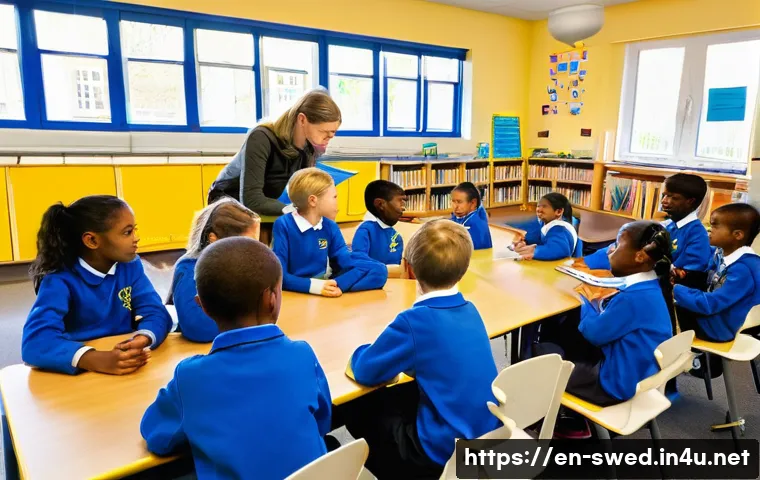
When Swedish kids transition from preschool to grundskola, or compulsory school, the focus remains incredibly holistic and student-centered. What really stands out to me is how much they prioritize understanding over rote memorization. I’ve observed classrooms where students are actively engaged in projects, debates, and group work, rather than just passively listening to a teacher lecture. It feels less like a strict academic institution and more like a vibrant workshop where curiosity is the main driver. Teachers are seen as facilitators, guiding students to discover answers for themselves, which honestly, I think is far more empowering. They encourage critical thinking from day one, pushing children to question, analyze, and form their own opinions. It’s a system that truly values the process of learning, not just the outcome, and as someone who has always advocated for deeper engagement in education, I find it incredibly refreshing. This approach cultivates independent thinkers who aren’t afraid to challenge ideas.
Cultivating Curiosity, Not Just Memorization
One of the most striking differences I’ve noted is the deliberate effort to move beyond simply reciting facts. Swedish primary education truly excels at sparking and nurturing a child’s natural curiosity. Instead of endless drills, I’ve seen students tackling complex problems through hands-on experiments in science class or diving deep into local history by interviewing community elders. This project-based learning feels so much more impactful, allowing children to connect theoretical knowledge with real-world applications. It’s about understanding *why* something works, not just *what* it is. I recall talking to a group of students about a history project, and their enthusiasm was palpable – they weren’t just regurgitating dates; they were discussing the implications and human stories behind the events. That kind of genuine engagement is priceless and, frankly, something I wish I had experienced more of in my own schooling. It fosters a lifelong love for inquiry.
Personalized Paths in the Classroom
I’ve always felt that a one-size-fits-all approach to education rarely serves every student well, and the Swedish system really shines in its commitment to personalization. Teachers are incredibly adept at recognizing individual learning styles and paces, offering tailored support and challenges. It’s not about isolating students; it’s about creating an inclusive environment where everyone can thrive. Whether a student needs extra help in a certain subject or is ready for more advanced material, the system is designed to adapt. I’ve witnessed educators spending quality one-on-one time with students, patiently guiding them through concepts they find difficult, while simultaneously providing enriching opportunities for those who are excelling. This flexibility and dedication to individual growth truly impressed me; it shows a deep respect for each child’s unique journey and potential. It feels like they truly see each student as an individual with unique needs and strengths.
Empowering Choices: Navigating Upper Secondary and Vocational Paths
As students move into gymnasieskola, or upper secondary school, the Swedish system truly opens up a world of empowering choices. This isn’t just about picking academic subjects; it’s about charting a course that genuinely aligns with a young person’s passions and future aspirations, whether that’s heading to university or diving straight into a skilled profession. I’ve been incredibly impressed by the breadth of national programs available, ranging from natural sciences and social sciences to vocational tracks like construction, healthcare, and culinary arts. It’s a far cry from the often-limited options I’ve seen elsewhere, where vocational education can sometimes feel like a secondary, less valued path. Here, both academic and vocational routes are highly respected and well-resourced, ensuring that students feel confident and supported in their chosen direction. It reflects a profound understanding that a diverse society needs diverse talents, and every skill is valuable. This empowers young adults to truly own their educational journey and future career path.
Tailoring Education to Passions
One of the aspects I find most compelling is how deeply students can specialize and tailor their education to their specific interests. Instead of a rigid curriculum, they can select programs that genuinely excite them, which naturally leads to greater engagement and motivation. For instance, a student passionate about environmental issues can delve into a program focused on sustainability, gaining both theoretical knowledge and practical skills. I’ve spoken with so many young Swedes who exude confidence about their future because they’re studying something they truly care about. This sense of ownership over their learning journey is incredibly powerful. It’s not just about passing exams; it’s about developing a profound understanding and passion for their chosen field, which I believe is essential for future success and job satisfaction. This approach creates a strong sense of purpose in their studies.
Bridging Academia and Practical Skills
What I love about the Swedish upper secondary system is its genius in seamlessly integrating academic rigor with practical, real-world skills, especially within vocational programs. These aren’t just “trade schools” in the traditional sense; they’re comprehensive programs that prepare students thoroughly for both immediate employment and further higher education if they choose. Many vocational programs include extensive periods of workplace-based learning (APL), giving students invaluable hands-on experience and a direct link to potential employers. I’ve heard countless stories from students who’ve secured jobs even before graduating, thanks to these placements. It’s a brilliant way to ensure that graduates are not only knowledgeable but also highly competent and job-ready. This dual focus ensures that students are well-rounded and prepared for whatever future they envision, making them incredibly adaptable in a rapidly changing job market.
Higher Education for All: Unlocking Potential, Tuition-Free
The Swedish commitment to education truly culminates in its higher education system, which, for Swedish and EU/EEA students, is largely tuition-free. As an education enthusiast, this policy absolutely blows me away. It fundamentally levels the playing field, ensuring that access to world-class universities isn’t dictated by one’s socioeconomic background but solely by merit and ambition. I’ve witnessed firsthand the diverse student bodies at Swedish universities, where individuals from all walks of life pursue their academic dreams without the looming burden of crippling student debt. This freedom allows students to focus entirely on their studies and research, fostering an environment of genuine intellectual curiosity and innovation. It’s a powerful statement about valuing human potential above all else, and I genuinely believe it contributes significantly to Sweden’s reputation for innovation and progressive thinking. This truly transformative approach ensures that financial barriers don’t stand in the way of talent.
Breaking Down Financial Barriers
Imagine being able to pursue a bachelor’s, master’s, or even a PhD without having to worry about accumulating tens of thousands of dollars in tuition fees. That’s the reality for many in Sweden, and it’s a game-changer. I’ve spoken with countless students who expressed immense gratitude for this system, highlighting how it allowed them to choose programs based purely on their academic interests and career goals, rather than financial constraints. It reduces stress, encourages risk-taking in research, and ultimately cultivates a more diverse and vibrant academic community. From my perspective, this tuition-free model is not just an educational policy; it’s a profound social investment, ensuring that the brightest minds, regardless of their family’s income, can contribute to society. It’s a testament to the idea that education is a right, not a privilege, and its impact is truly far-reaching.
World-Class Research and Innovation Hubs
Beyond accessibility, Swedish universities are renowned globally for their high quality of education and groundbreaking research. These institutions aren’t just places for learning; they are active hubs of innovation that contribute significantly to global scientific and technological advancements. I’ve been fascinated by the close ties between academia, industry, and government, which often lead to practical applications for cutting-edge research. Whether it’s in sustainable technology, medical breakthroughs, or digital innovation, Swedish universities are consistently pushing boundaries. Their collaborative spirit and emphasis on interdisciplinary studies create a dynamic environment where new ideas flourish. I feel that the combination of free access and a strong research infrastructure creates a virtuous cycle, attracting top talent and fostering an intellectual ecosystem that benefits everyone. It truly positions Sweden as a leader in global knowledge production.
The Teacher’s Role: Mentors, Guides, and Innovation Catalysts
In the Swedish education system, teachers are so much more than just instructors; they are truly mentors, guides, and innovation catalysts. What I’ve consistently observed is the profound respect and autonomy given to educators, allowing them to shape their lessons and pedagogical approaches to best suit their students. This isn’t a top-down, standardized model; it’s one that empowers teachers to be creative and responsive in the classroom. They’re encouraged to build strong, personal relationships with their students, fostering an environment of trust and open communication. It feels less like a hierarchical structure and more like a collaborative partnership between students and teachers, all working towards common learning goals. I genuinely believe this high regard for the teaching profession is a critical factor in the system’s overall success, attracting passionate individuals who are dedicated to nurturing the next generation. Their influence extends far beyond the textbook, shaping young minds and spirits.
Empowering Educators for Impact
I’ve always felt that empowering teachers is key to any successful education system, and Sweden truly gets this. Teachers here aren’t just handed a rigid curriculum and told to stick to it; they’re given considerable professional autonomy and opportunities for continuous development. This means they can adapt their teaching methods, explore new pedagogical strategies, and really get to know their students’ individual needs without excessive bureaucratic constraints. I’ve seen how this freedom allows them to be incredibly creative and responsive, designing lessons that are genuinely engaging and relevant. It fosters a sense of ownership and professionalism that I find truly inspiring. When teachers feel valued and trusted, their passion for teaching shines through, creating a more dynamic and effective learning environment for everyone. It cultivates a sense of genuine purpose in their daily work.
Building Relationships, Not Just Imparting Knowledge
What truly warmed my heart when observing Swedish classrooms was the evident emphasis on building strong, supportive relationships between teachers and students. It goes far beyond simply delivering information; teachers often act as genuine confidantes and cheerleaders for their students. This relational approach helps create a safe and inclusive space where students feel comfortable asking questions, making mistakes, and expressing themselves freely. I’ve noticed that this strong rapport fosters a deeper level of engagement and trust, which is absolutely crucial for effective learning. It’s about understanding the whole child – their strengths, challenges, and aspirations – and guiding them not just academically but also personally. This human-centered approach is something I deeply admire and believe contributes significantly to the overall well-being and success of Swedish students. It truly feels like an extended family, fostering a sense of belonging.
Balancing Act: Nurturing Individuality While Promoting Equity
Perhaps one of the most remarkable feats of the Swedish education system is its ability to expertly balance the nurturing of individual talents with an unwavering commitment to equity and inclusivity. It’s a delicate dance, but they perform it beautifully. I’ve observed how the system goes to great lengths to ensure that every child, regardless of their background, abilities, or where they live, has access to high-quality education and the support they need to succeed. There’s a strong underlying philosophy that all children have unique potentials, and it’s the system’s responsibility to help them discover and cultivate those. At the same time, they actively work to counteract social inequalities, aiming to provide similar opportunities across all schools. This dual focus ensures that while individuality is celebrated, no one is left behind, creating a truly fair and empowering educational landscape that I find incredibly inspiring. It’s about leveling the playing field while recognizing unique strengths.
Support Systems for Every Student
I’ve been particularly impressed by the robust support systems in place for students who may need a little extra help or have special educational needs. Instead of segregation, the emphasis is on inclusion, providing tailored support within mainstream classrooms whenever possible. Teachers and special needs educators collaborate closely to develop individualized learning plans, ensuring that every student receives the attention and resources they require to thrive. I’ve seen this in action, where students with diverse learning styles are seamlessly integrated and supported, allowing them to participate fully and feel valued. It’s a testament to the belief that education is for everyone, and accommodations should be made to ensure equitable access to knowledge and development. This commitment to inclusivity genuinely sets the Swedish system apart and resonated deeply with my personal values.
A Culture of Inclusivity
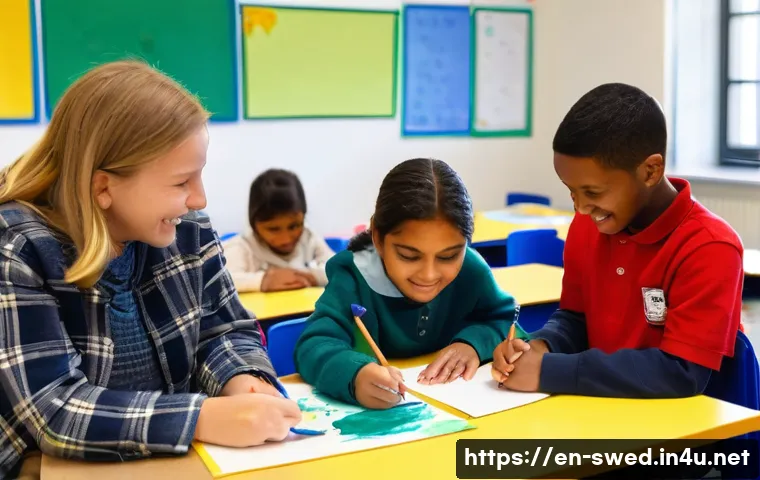
Beyond formal support structures, there’s a deeply ingrained culture of inclusivity throughout the Swedish education system. This manifests in everything from classroom dynamics that encourage diverse perspectives to school policies that actively combat bullying and discrimination. I’ve noticed a strong emphasis on fostering mutual respect and understanding among students, regardless of their cultural background, gender, or abilities. It feels like schools are not just places of academic instruction but also vital communities where children learn to live and interact harmoniously with others. This commitment to creating an equitable and welcoming environment for every single student is genuinely heartwarming. It’s not just about teaching tolerance; it’s about actively celebrating diversity and ensuring everyone feels a true sense of belonging. This fosters well-adjusted individuals who value diversity.
Lifelong Learning: The Swedish Commitment to Continuous Growth
What truly excites me about the Swedish approach is their unwavering belief in lifelong learning – the idea that education isn’t just something you complete in your youth, but a continuous journey of growth and adaptation throughout your entire life. This philosophy is embedded deep within their societal fabric and educational offerings. I’ve seen how there are extensive opportunities for adults to re-skill, up-skill, or simply pursue new passions through municipal adult education (Komvux), folk high schools (folkhögskolor), and various vocational training programs. It’s truly inspiring to witness individuals of all ages actively engaged in learning, whether it’s mastering a new language, acquiring digital competencies, or transitioning into an entirely different career path. This commitment ensures that the workforce remains agile and that individuals have the tools to navigate an ever-changing world. It’s a powerful testament to the idea that learning knows no age limit, and it empowers individuals to constantly evolve. This proactive approach ensures both personal and professional resilience.
Empowering Adaptability in a Changing World
In today’s fast-paced world, the ability to adapt and continuously learn new skills is more crucial than ever. The Swedish education system understands this perfectly, offering a wide array of adult learning programs designed to meet current and future societal and labor market needs. I’ve heard inspiring stories of individuals who, in their 40s or 50s, decided to completely change careers and found all the necessary support and training through these programs. It’s not just about filling skill gaps; it’s about empowering individuals to remain relevant, engaged, and fulfilled throughout their working lives and beyond. This foresight in fostering a culture of continuous learning is incredibly valuable, providing a safety net and springboard for personal and professional evolution. This commitment creates a resilient workforce and confident individuals.
A Culture of Endless Exploration
Beyond career-focused training, the lifelong learning ethos in Sweden also champions personal enrichment and the pursuit of new interests. Folk high schools, for instance, offer non-formal adult education in a vast array of subjects, from arts and crafts to philosophy and community organizing. I find it fascinating how these institutions cater to personal development and critical thinking, often without formal degrees, purely for the joy of learning. It fosters a vibrant culture where individuals are encouraged to explore their passions at any age, connecting with like-minded people and contributing to a richer societal dialogue. This emphasis on learning for its own sake, rather than solely for credentials, truly captures the spirit of continuous growth. It highlights that learning is a fulfilling journey, not just a means to an end. It truly enriches the lives of countless Swedes.
Future-Proofing Kids: Skills for a Globalized World
One of the aspects of the Swedish education system that really resonates with me is its deliberate focus on equipping children with the skills necessary to thrive in an increasingly globalized and digital world. It’s not just about traditional subjects; it’s about fostering critical thinking, digital literacy, intercultural competence, and a strong sense of civic responsibility. I’ve noticed a consistent effort to integrate global perspectives into the curriculum, encouraging students to understand complex world issues and their role as global citizens. They are actively taught to analyze information, discern reliable sources, and engage respectfully with diverse viewpoints – skills that are absolutely invaluable today. This forward-thinking approach ensures that Swedish children aren’t just prepared for local challenges but are ready to contribute meaningfully on an international stage. It’s about developing well-rounded individuals who are both locally rooted and globally aware, something I deeply admire and believe is essential for future generations. This prepares them not just for jobs, but for global citizenship.
Developing Digital Dexterity and Critical Media Literacy
In an age saturated with information, the Swedish system truly excels at teaching students how to navigate the digital landscape safely and critically. I’ve observed classes where young students are actively engaging with digital tools not just as consumers, but as creators, learning coding, digital design, and responsible online behavior. Crucially, there’s a strong emphasis on media literacy, teaching children to critically evaluate sources, understand different perspectives, and identify misinformation. This isn’t just a separate subject; it’s woven into various parts of the curriculum, ensuring that students develop a nuanced understanding of the digital world they inhabit. I find this incredibly important because it empowers them to be discerning and responsible digital citizens, a skill that is arguably as fundamental as reading and writing in the 21st century. It ensures they are active, rather than passive, participants online.
Cultivating Global Citizens and Intercultural Understanding
Another powerful element I’ve witnessed is the consistent effort to cultivate global awareness and intercultural understanding from an early age. Swedish schools often engage in projects that explore different cultures, global challenges like climate change and human rights, and the interconnectedness of our world. Language learning is also highly valued, with English often introduced early and opportunities for other languages available. I’ve talked to students who demonstrate a remarkable level of empathy and understanding towards diverse populations, a direct result of this educational focus. It’s about more than just knowing facts about other countries; it’s about fostering respect, open-mindedness, and a genuine desire to contribute positively to the global community. This holistic approach prepares them not just for careers, but for a life of purpose and global engagement. This broadens their horizons and fosters invaluable empathy.
| Aspect | Swedish Education System Key Characteristics |
|---|---|
| Funding & Access | Largely tuition-free for Swedish/EU/EEA citizens from preschool to university. Emphasizes equal access regardless of socioeconomic background. |
| Pedagogical Approach | Strong focus on play-based learning in early years, critical thinking, project-based work, and student-centered methods in primary/secondary. Less emphasis on rote memorization. |
| Teacher’s Role | Teachers are seen as facilitators, mentors, and partners; significant professional autonomy and emphasis on building student relationships. |
| Curriculum Flexibility | Offers diverse academic and vocational programs in upper secondary, allowing students to tailor education to personal interests and career goals. |
| Assessment | Less emphasis on standardized testing in early years; ongoing assessment, student self-evaluation, and teacher feedback are prominent. |
| Inclusivity | High priority on supporting all students, including those with special needs, within mainstream settings and promoting a culture of respect and diversity. |
글을 마치며
Whew! What an incredible journey we’ve taken through the Swedish education system. From the magic of play-based learning in preschools to the empowering choices in higher education, and the unwavering commitment to lifelong growth, it’s clear that Sweden has cultivated something truly special. I’ve found it genuinely inspiring to witness a system so dedicated to nurturing not just academic excellence, but also personal well-being, critical thinking, and a profound sense of global citizenship. It really makes you think about what’s possible when an entire nation prioritizes education as a fundamental right and a continuous journey, ensuring every individual has the chance to flourish. Truly, it’s a testament to valuing human potential above all else, and I feel like it offers so many valuable lessons for us all.
알아두면 쓸모 있는 정보
1. If you’re considering moving to Sweden with children, you’ll be pleased to know that public preschools are heavily subsidized, making quality early childhood education accessible to almost everyone. This means significantly lower costs compared to many other countries, allowing families to benefit from their fantastic play-based approach without a huge financial burden. I’ve heard from many expat families how much they appreciate this, as it reduces a major stress point and helps children integrate quickly. Remember, even though it’s subsidized, there are still small fees, often income-dependent, so it’s wise to check with the local municipality for exact figures and application procedures. It’s a huge relief for parents, allowing them to focus on settling in.
2. While Swedish universities are largely tuition-free for Swedish and EU/EEA citizens, it’s important for those outside these regions to be aware that tuition fees do apply. However, don’t let that deter you! Many Swedish universities offer a range of scholarships and grants specifically for international students, which can significantly offset costs. I always recommend exploring these options thoroughly on university websites and dedicated scholarship portals well in advance of application deadlines. The quality of education and research here is world-class, so even with fees, it can be an excellent investment in your future. Plus, the vibrant international student community is truly something special.
3. One fascinating aspect is the Swedish school lunch system. All students in compulsory school (grundskola) and upper secondary school (gymnasieskola) are entitled to a free, nutritious lunch every day. This isn’t just a practical benefit; it’s a deeply ingrained part of the welfare system, promoting health and ensuring that all children have access to a good meal, regardless of their family’s economic situation. I’ve personally experienced the quality and variety of these meals, and they often include options for various dietary needs, which is incredibly thoughtful. It’s truly a testament to their commitment to student well-being, and I think it contributes positively to their overall learning environment by making sure no one is learning on an empty stomach.
4. English proficiency among Swedes is exceptionally high, which is a huge advantage for English-speaking expats and international students. You’ll find that most Swedes, especially younger generations and those working in education or public services, speak excellent English. This makes daily life, navigating school systems, and even social integration much smoother. While learning some Swedish is always appreciated and will enrich your experience, you can comfortably communicate in English in most academic and urban settings. I’ve often been struck by how effortlessly people switch between languages, and it certainly makes the transition for newcomers a lot less daunting. It truly helps break down communication barriers.
5. Parental leave policies in Sweden are incredibly generous and play a significant role in supporting families and promoting gender equality, which in turn positively impacts children’s early development. Parents are entitled to 480 days of paid parental leave per child, which can be shared between both parents. This flexibility allows parents to be highly involved in their children’s early years, fostering strong family bonds and contributing to the holistic development we’ve discussed. I’ve seen firsthand how this system supports both mothers and fathers in taking an active role, creating a more balanced approach to childcare and career. It’s a remarkable societal structure that prioritizes family well-being, and I believe it sets a fantastic example for other nations.
중요 사항 정리
To wrap things up, the Swedish education system stands out for its deep commitment to equity, ensuring every child has access to quality learning from preschool through university, often with significant financial support for its citizens. I’ve been incredibly impressed by its holistic approach, prioritizing play-based learning and social development in early years, and fostering critical thinking and curiosity over rote memorization in later stages. What truly sets it apart is the respect for individuality, offering diverse pathways for students to pursue their passions, whether academic or vocational. Teachers are empowered as mentors, building strong relationships, and the culture of lifelong learning means education isn’t just a phase, but a continuous journey. Essentially, it’s a future-focused system that nurtures well-rounded, adaptable, and globally aware citizens.
Frequently Asked Questions (FAQ) 📖
Q: How does the Swedish education system truly nurture creativity and celebrate each student’s unique talents?
A: Oh, this is one of my absolute favorite aspects! From what I’ve observed and heard from folks who’ve experienced it firsthand, Sweden really gets that every child is a little universe of potential.
It’s not about cramming facts for a standardized test and then moving on. Instead, they focus heavily on play-based learning in early years, which is just brilliant for sparking curiosity.
As kids grow, the emphasis shifts to problem-solving, critical thinking, and collaborative projects. I remember talking to a student who told me their history class wasn’t just memorizing dates, but analyzing different historical perspectives and even creating short documentaries!
This approach allows kids to explore subjects through their own interests and strengths, whether they’re visual learners, hands-on explorers, or big thinkers.
Teachers are more like facilitators, guiding students to discover answers themselves rather than just spoon-feeding information. It feels less like a strict academic ladder and more like a garden where each unique plant is given the right conditions to bloom.
It’s truly empowering to see how much trust they put in a child’s natural ability to learn and innovate.
Q: Many hear about Sweden’s ‘tuition-free’ education. What does that really mean, especially for higher education and international students?
A: That’s a super common question, and for good reason—it sounds almost too good to be true, doesn’t it? For Swedish and EU/EEA citizens, education from preschool all the way through university is indeed tuition-free.
And when I say university, I mean for Bachelor’s and Master’s programs too! This is huge for accessibility and really levels the playing field, ensuring that talent, not just financial background, determines who gets to pursue higher education.
For international students from outside the EU/EEA, however, there’s a different story. While the quality of education remains top-notch, they typically do need to pay tuition fees.
But here’s the cool part: many Swedish universities offer scholarships for international students, which can really help bridge that gap. I’ve heard countless stories of students who, despite the fees, found the overall value and experience in Sweden to be incredibly enriching and worthwhile.
Plus, the living costs are generally reasonable compared to other major European cities, especially if you’re smart about budgeting. So, while “tuition-free” isn’t universal, the commitment to affordable and accessible education is deeply ingrained in their system, making it an attractive option for many.
Q: How does the Swedish education system prepare young people to be true global citizens and innovators in today’s fast-changing world?
A: This is where I think Sweden truly shines! They don’t just teach subjects; they teach a mindset. From a young age, there’s a strong focus on social responsibility, democracy, and understanding diverse cultures.
I’ve noticed a real emphasis on group work and projects that often involve real-world scenarios, which is fantastic for developing problem-solving skills and teamwork – essential for any innovator.
What’s more, English is taught very early on and widely spoken, making it incredibly easy for Swedish students to engage with global content and communicate across borders.
I’ve personally been amazed at how fluent most young Swedes are in English! Their curriculum often includes discussions on global issues, sustainability, and ethics, encouraging students to think beyond their immediate environment.
It’s about fostering critical thinkers who can adapt, collaborate, and contribute meaningfully to complex challenges, whether those are local or global.
This isn’t just about preparing them for a job; it’s about equipping them to be thoughtful, engaged individuals who can make a positive impact on the world.
It feels like they’re building a foundation for lifelong learning and innovative thinking, which is exactly what our world needs right now.